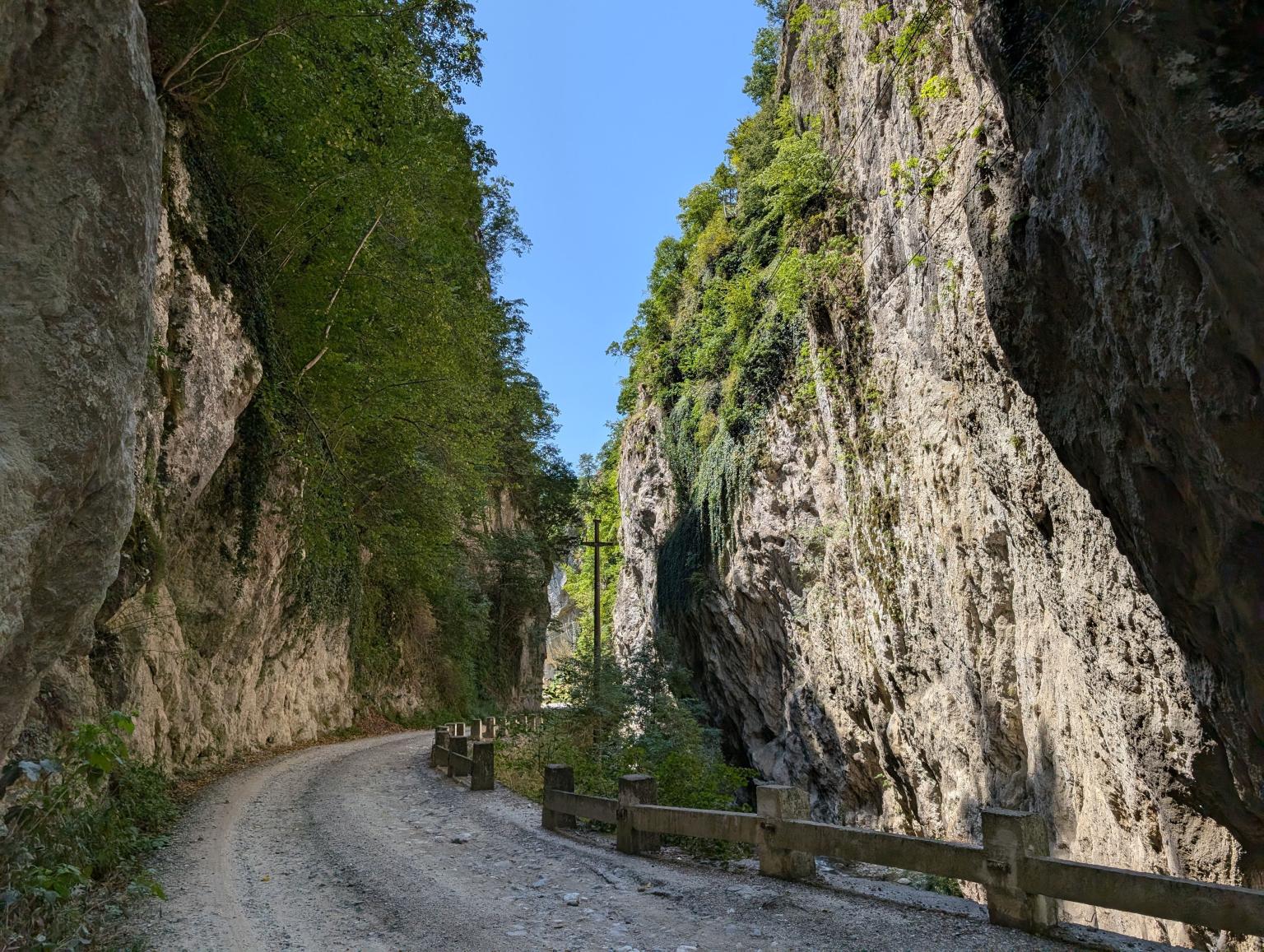
The cave is located at the northern end of the Bistrita village, 150 m from the Bistrita monastery, on the right slope of the Bistrita Gorge, at 850 m altitude and 60 m from the valley. Access is from the Râmnicu Vâlcea-Târgu Jiu road, passing through Costești Commune, from where it is 7 km to the cave. Accommodation is available at Horezu.
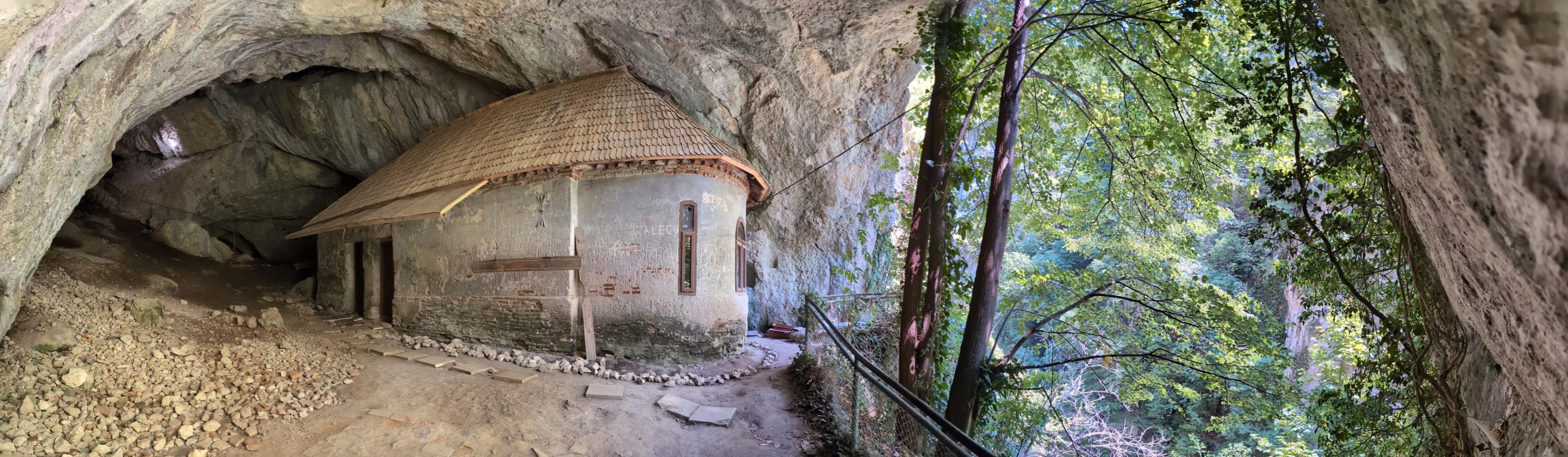
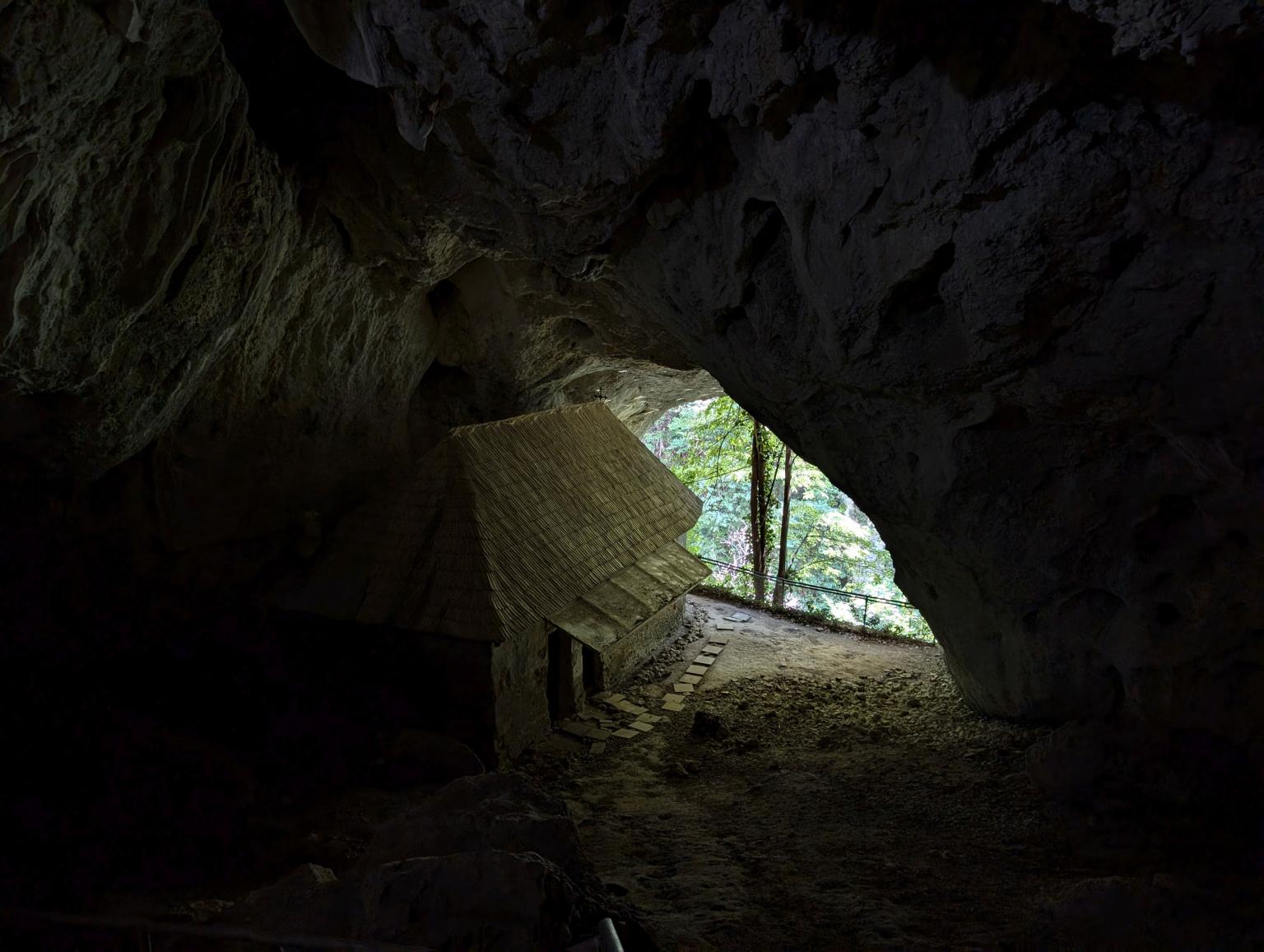
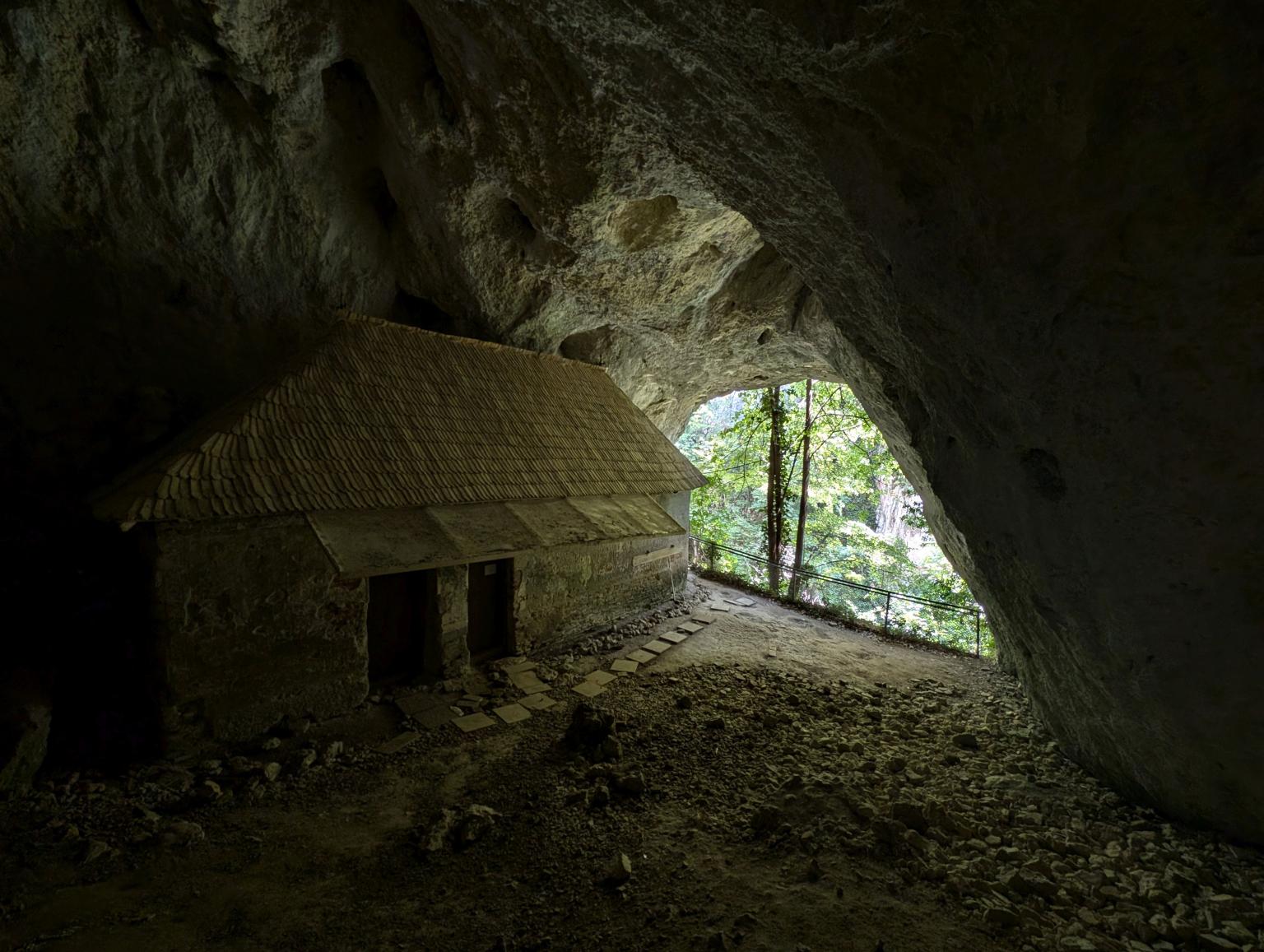
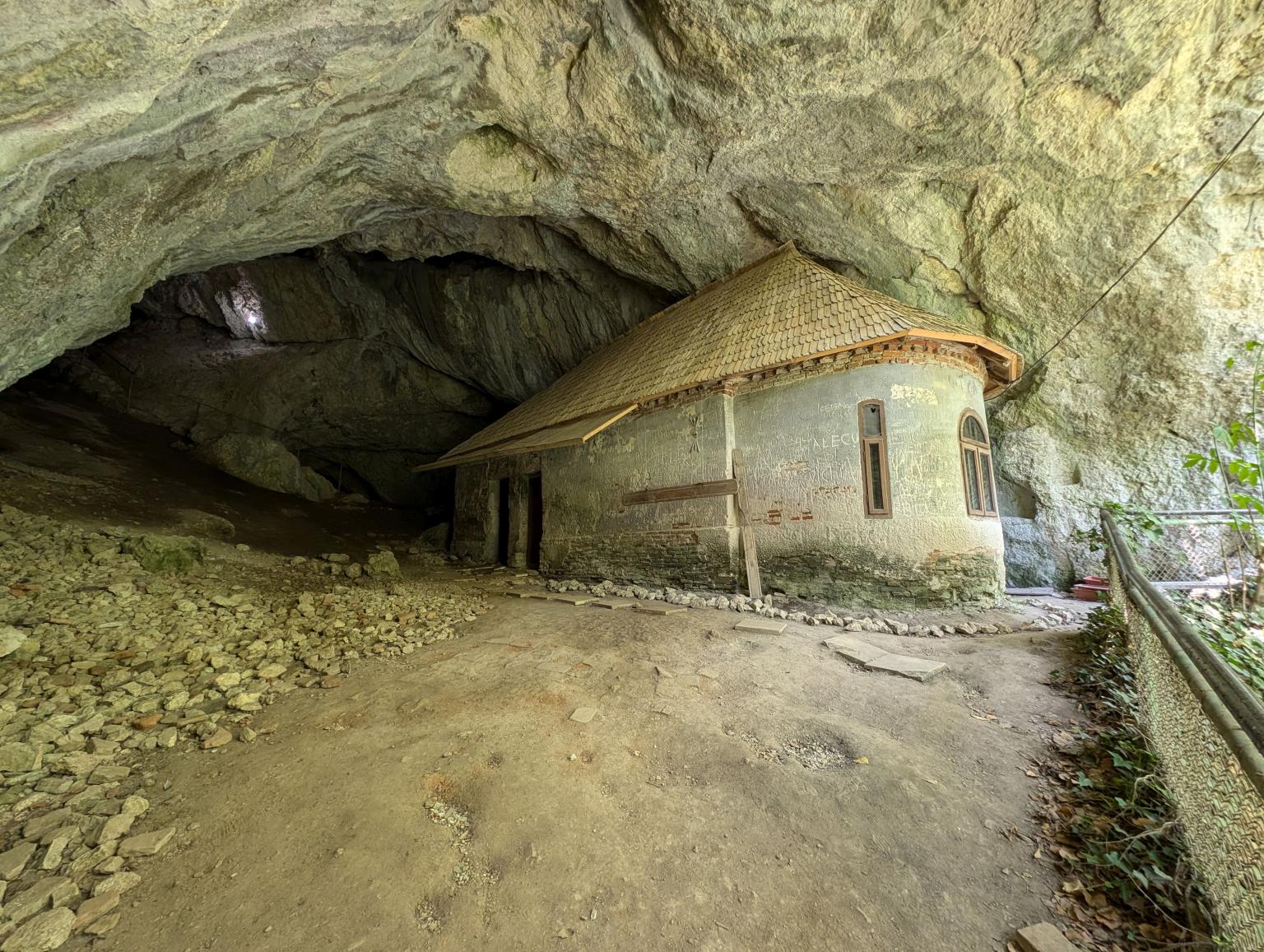
The cave was inhabited by hermits in the Middle Ages, and in 1635 the monks Macarie and Daniel built a hermitage, rebuilt in 1916. In the cave there was a chapel with the relics of Saint Gregory the Decapolitan. The first mention in specialized literature dates from 1929 (E. Racoviță). Biospeleological research in 1951 and 1955 revealed an abundant icavernic fauna.
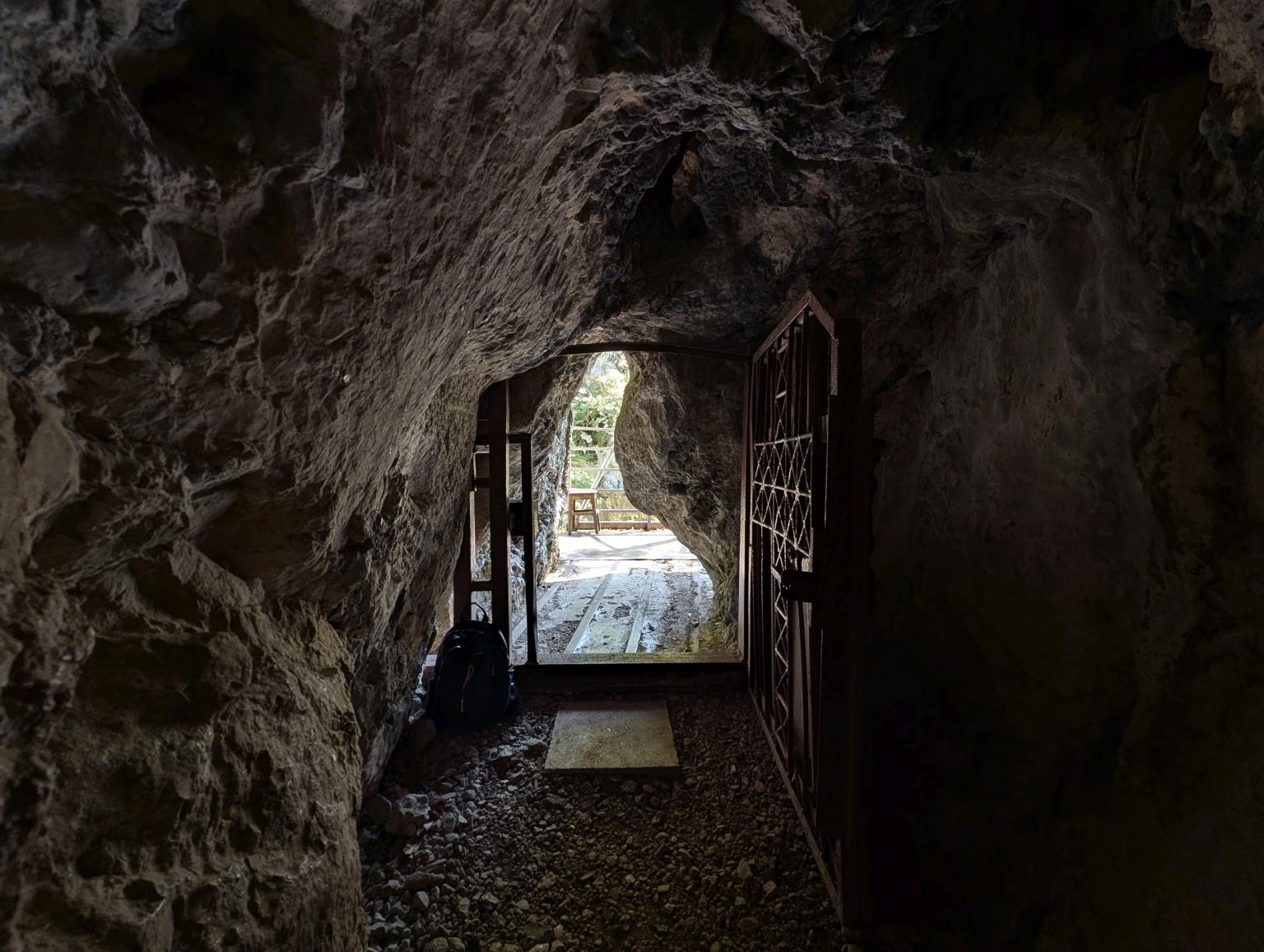
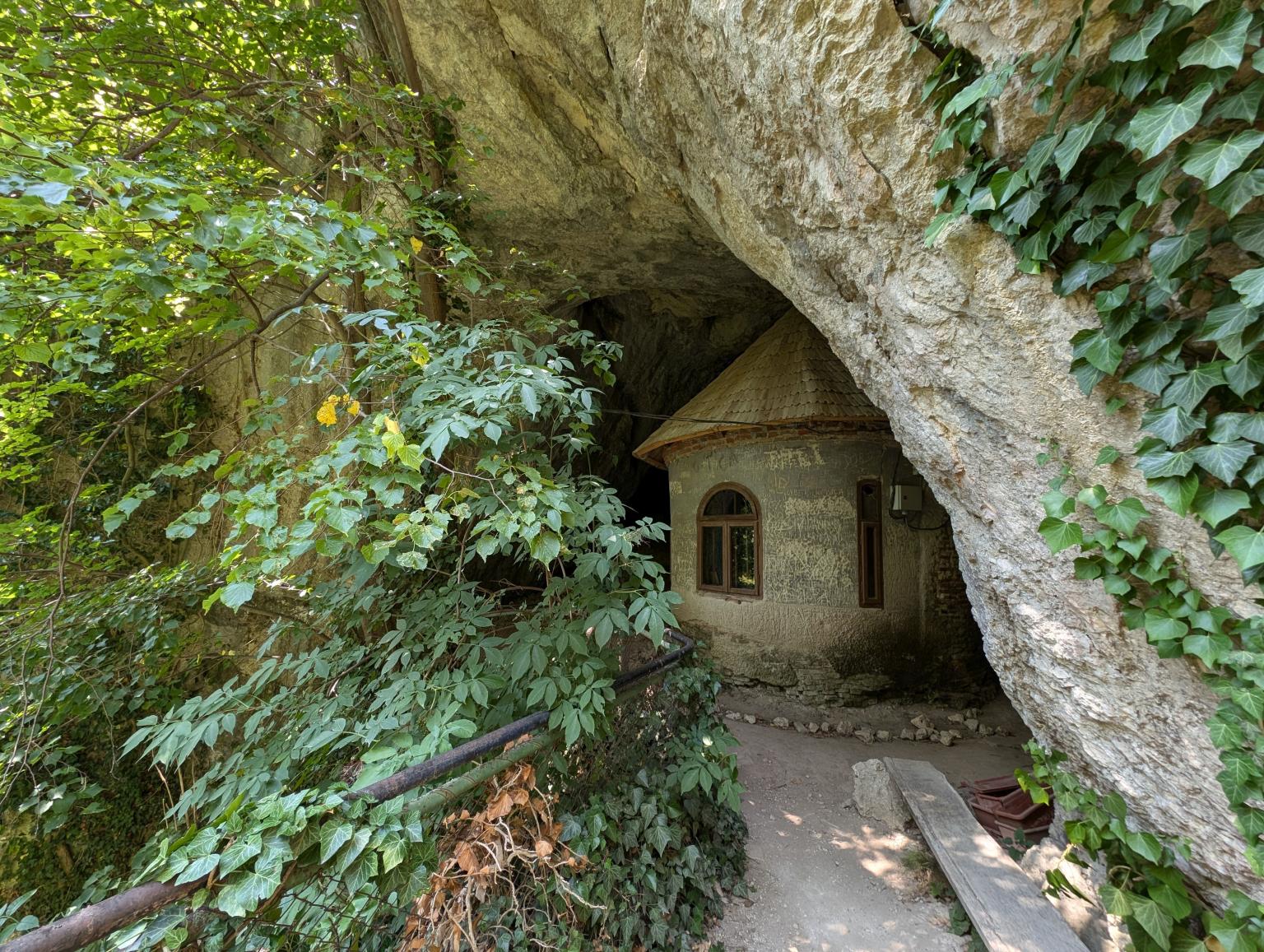
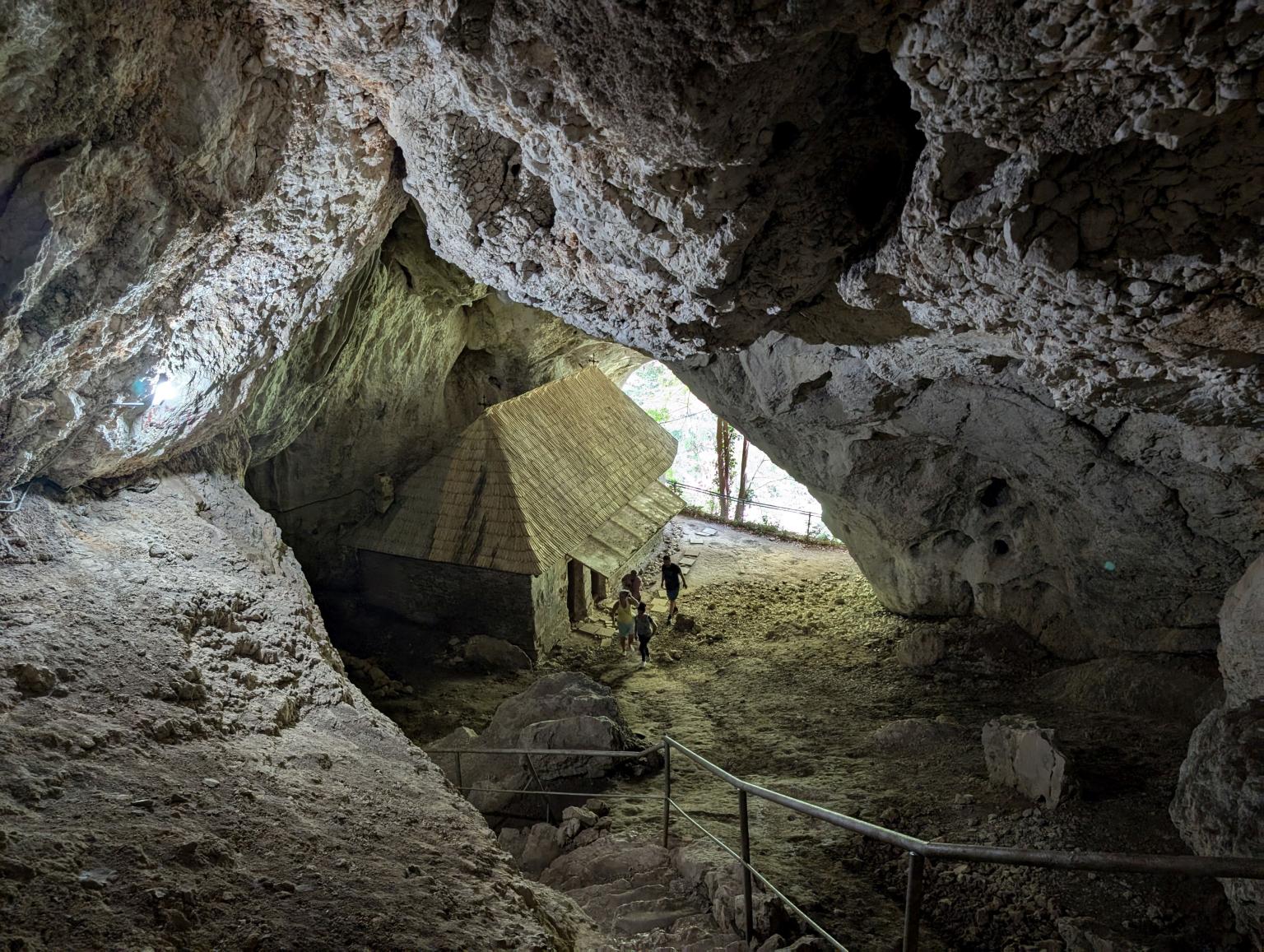
The cave is 250 m long, furnished and electrified. The main entrance leads through a short, narrow corridor to a larger hall. The upper floor of the cave is accessed over a suspended slab. The main gallery leads to a spring with two small water fountains. Another, larger entrance to the cave houses a small hermitage and offers a spectacular view of the Bistriței Gorges. The cave contains large bat colonies and a 1.7 m thick deposit of guano, important for guanophilous fauna.
The cave is landscaped and electrified, allowing visits in casual clothing.
Source: Caves from Romania, T. Orghidan, Șt. Negrea, Gh. Racoviță, C. Lascu, ed. Sport - Tourism, 1984