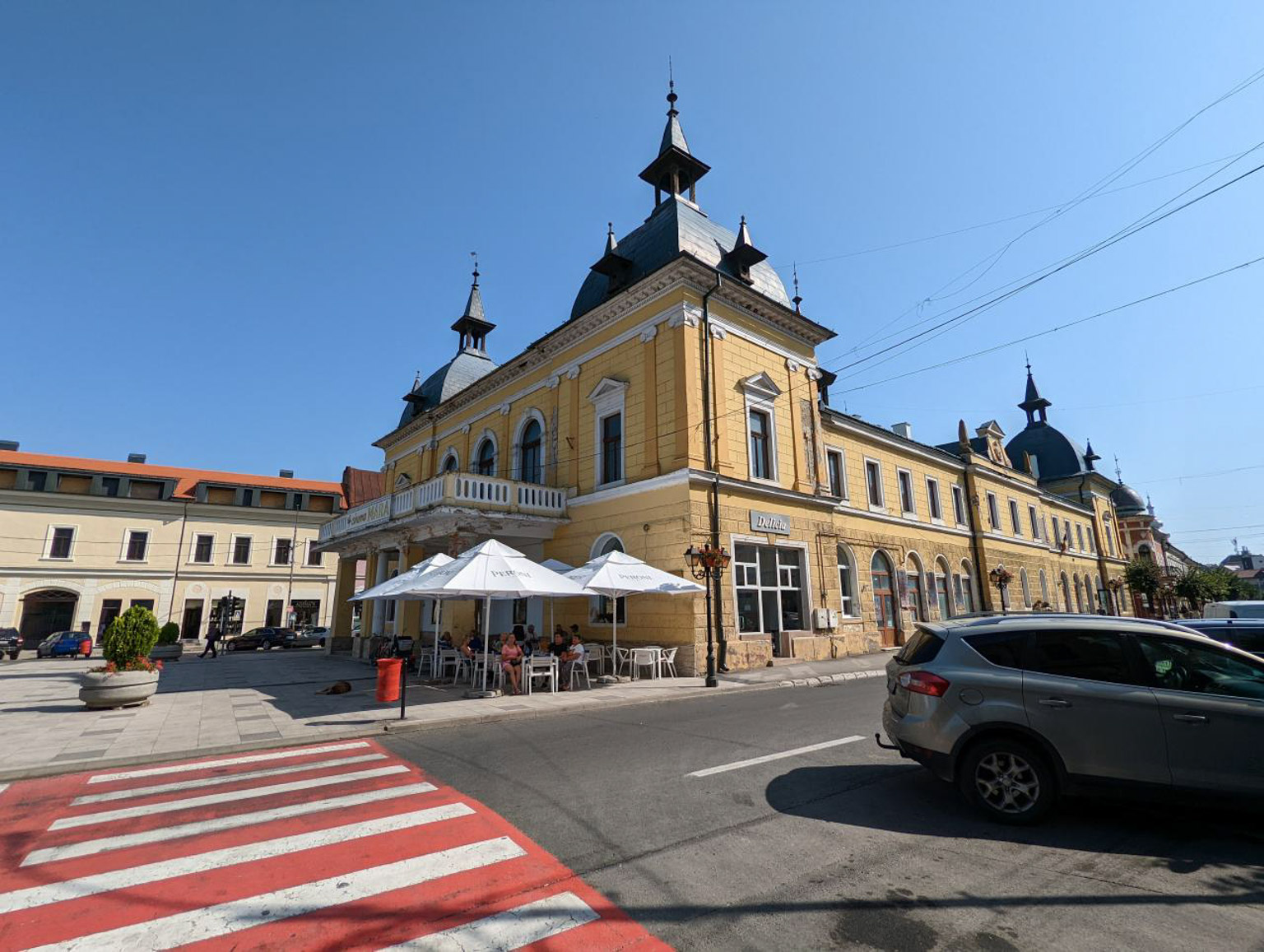
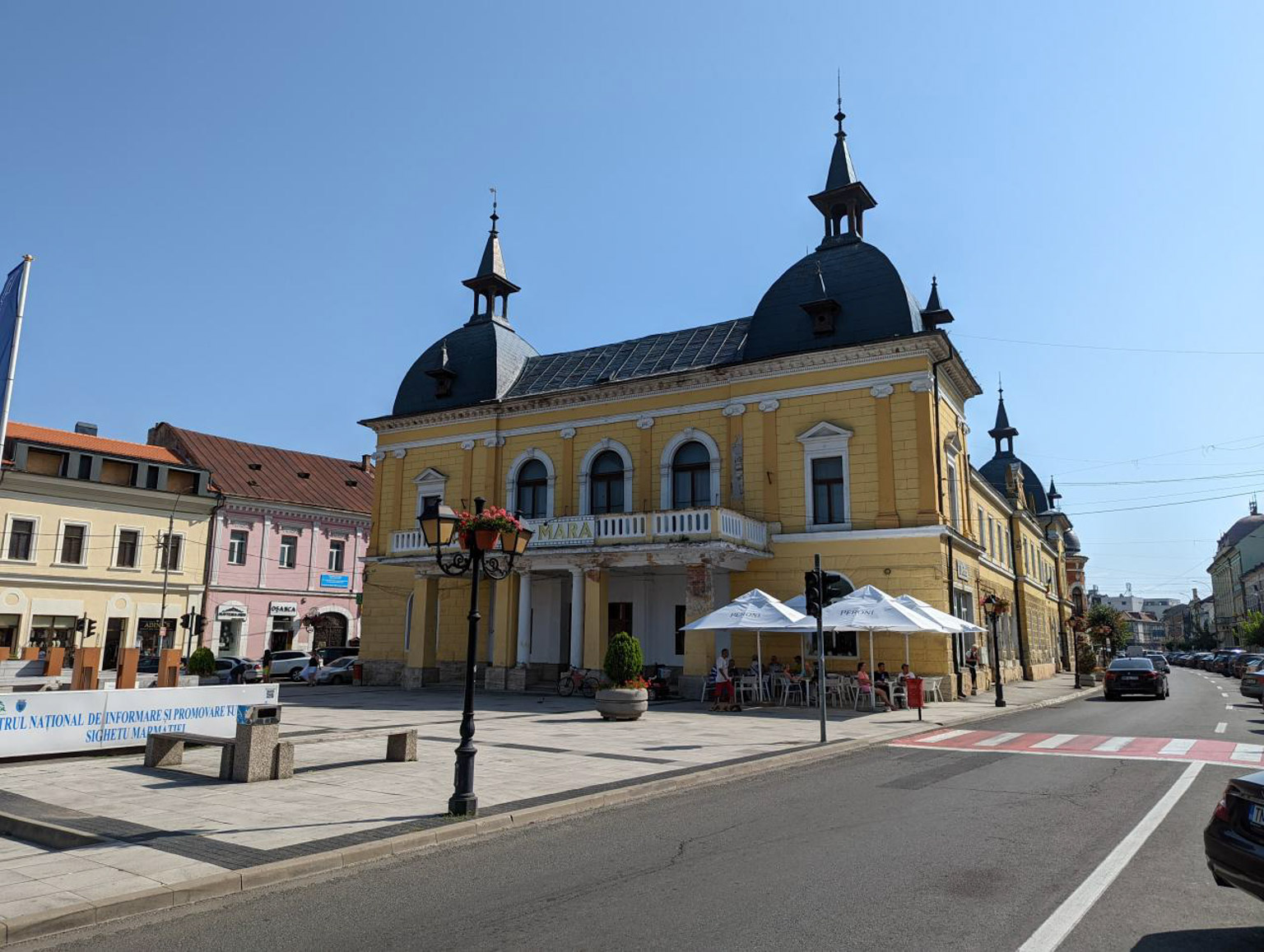
The prestigious cultural institutions in Maramureș played an important role in the cultural and national emancipation of the Romanians in the area and in the preservation of the local cultural and national identity. In 1860, the Association for the Culture of the Romanian People in Maramureș contributed to the establishment of the area's first museum. In 1899, a group of Hungarian and Romanian intellectuals tried to establish a history and natural history museum, but its collections were lost to time.
After the union of Maramureș with Romania in 1921, the organization of an ethnographic museum of Maramureș began under the guidance of Professor Gheorghe Vornicu and with the support of ASTRA. In 1926, the Ethnographic Museum of Maramureș was inaugurated in the building of the Palace of Culture.
In 1940, after the Vienna Dictatorship, Maramureș was occupied by Hungary, and most of the museum's collections were lost. After the war, in 1954, the local museum was re-established, and Francisc Nistor contributed to the formation of a new collection that became the core of the current museum.
The museum was opened to the public in 1957 with a varied exhibition, which operated until 1967. In 1968, the effort to create an ethnographic museum appropriate to the values of Maramureș was continued, and in 1971 the current ethnographic exhibition was opened in a modern building located downtown.
Sursa: muzeulmaramuresului.ro