Borșa, located in the mountainous landscape, stretches over a distance of over 10 km, occupying a total area of 32,632 ha, of which 478 ha are in the urban area and 7 ha are green spaces.
The first written document about this city dates back to 1365.
The name of the locality is associated with an event from the past of the beginning of the 18th century. In 1717, the last major incursion of the Tatars took place in Maramureș. After plundering the towns on the Someș valley, the Tatar hordes tried to retreat through Lăpuș, Sighetu Marmației and Vișeu towards Moldova. On their way, at Cavnic, Strâmtura and Borșa, the Tatars suffered a decisive defeat in front of the locals led by Lupu Alexandru, a former captain in Francisc Rákóczi II's army.
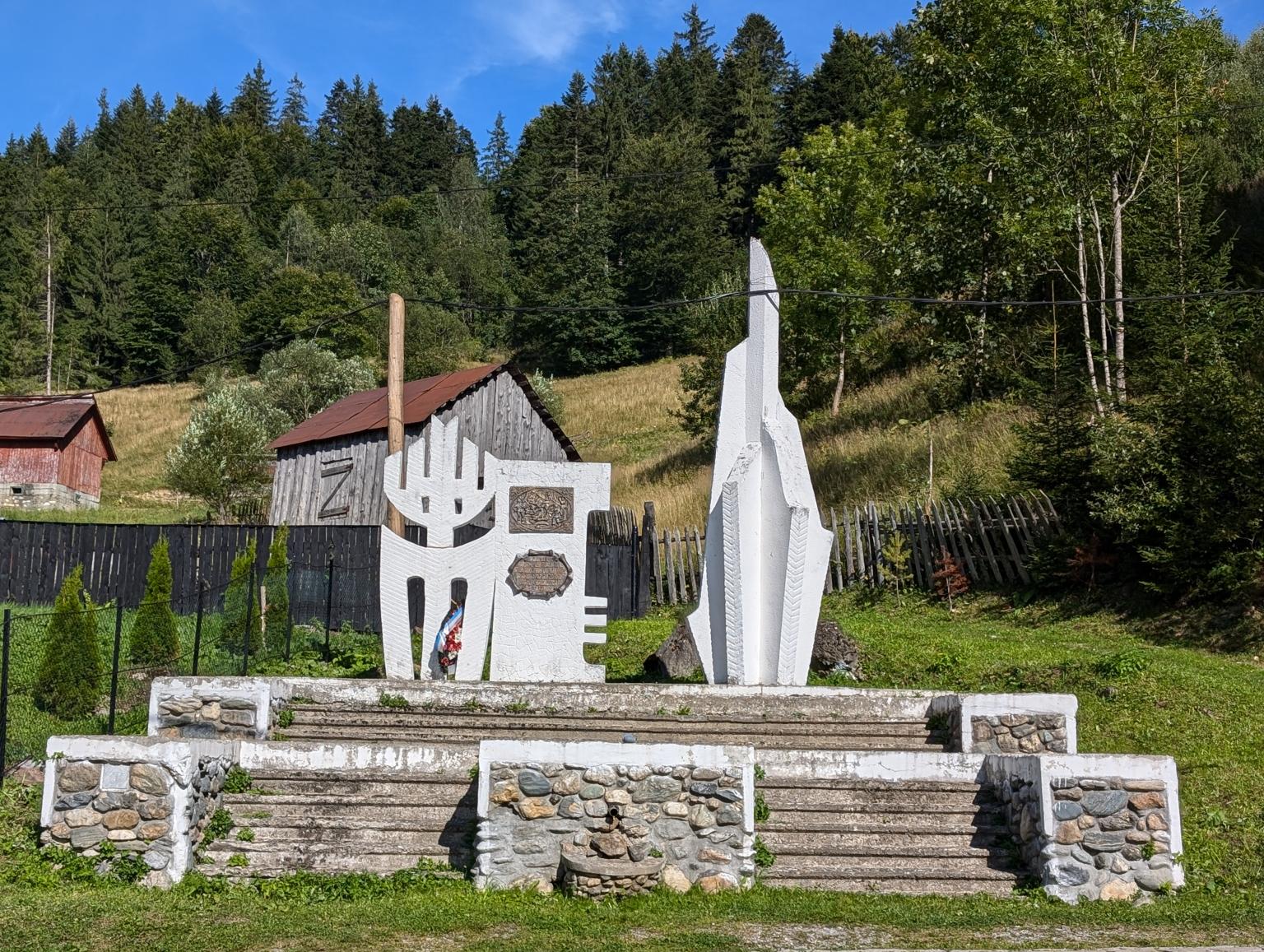
Arriving in Borșa on September 3, 1717, the Tatars, having looted riches and numerous slaves, set up camp in the Cheia river valley below Prislop. On the morning of the 4th of September, the inhabitants of Borsii overthrew trees and huge boulders on the Tartars, stationed on the heights surrounding the straits. Many of the Tartars perished in that encirclement, and those who escaped and tried to retreat to the edges of the forest were met with scythes, axes, and rifles. Since then, the area has been called the "Strait of the Tatars", marking this historical episode with a plaque.
The town of Borșa, located at an altitude of 700 meters, is surrounded by the peaks of the Maramureș and Rodna mountains. Known as a city of miners and foresters, Borșa is constantly expanding, becoming an important industrial center, with facilities such as sawmills and bakeries.
Leaving Borșa and heading north, a 6-kilometer long road leads to Baia Borșa, an extensive and modern mining settlement located at the foot of Toroiaga (1,939 m) and Măgura (1,604 m) mountains.
Source: Maramureș, Oaș, Satu Mare (Ministry of Tourism, 1980)