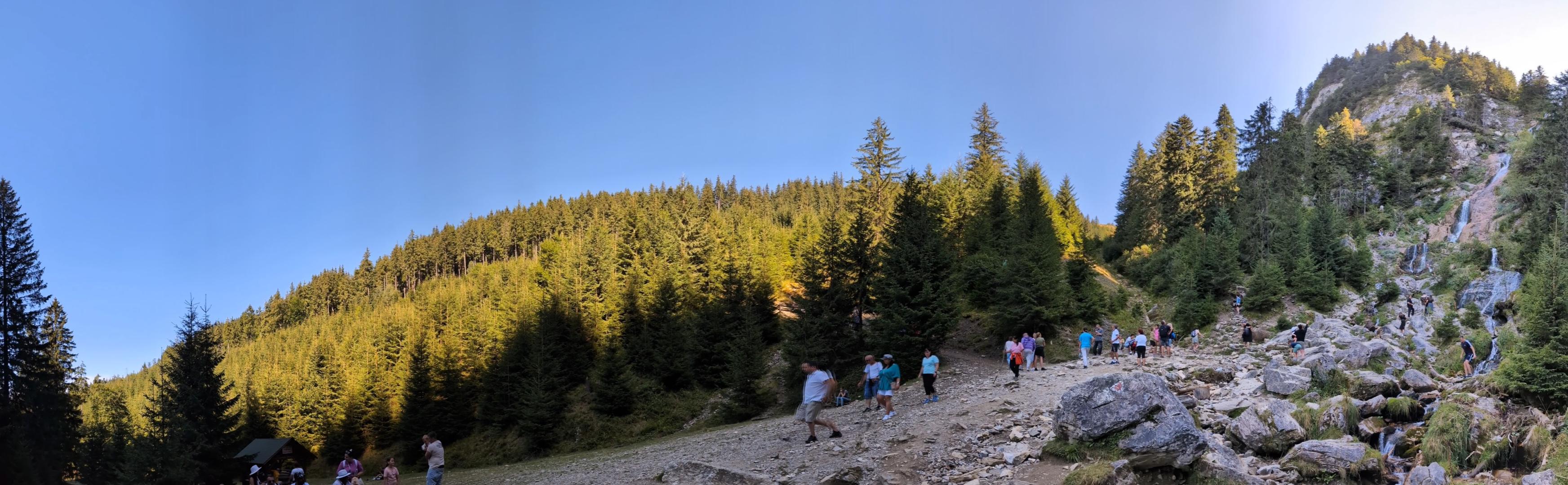
The Borșa permanent rest resort is located at the foot of the Rodna Mountains, at an altitude of 850 meters. Located in the subalpine area, the complex benefits from a pleasant climate, with temperatures oscillating between 8°C in winter and 20°C in summer. In this region, snow covers the slopes of Rodna for 5-6 months a year, and the ski slopes are recognized as among the best in the country, complying with Olympic standards. The resort is expanding with the construction of a 1,990-meter chair lift, a ski lift, tennis court and ice rink.
Borscha is recommended not only for winter sports enthusiasts, but also for those affected by asthenic neurosis and endocrine disorders.
The Rodna Mountains, rising within the Eastern Carpathians, are distinguished by their 13 peaks that exceed 2000 meters, their steep and deep ridges, but also by the picturesque alpine landscape. The highest peak, Vf. Pietrosul Rodnei, reaches 2303 meters and dominates the depressions of Maramureș to the north, Năsăud to the south and Obcinile Bucovina to the east.
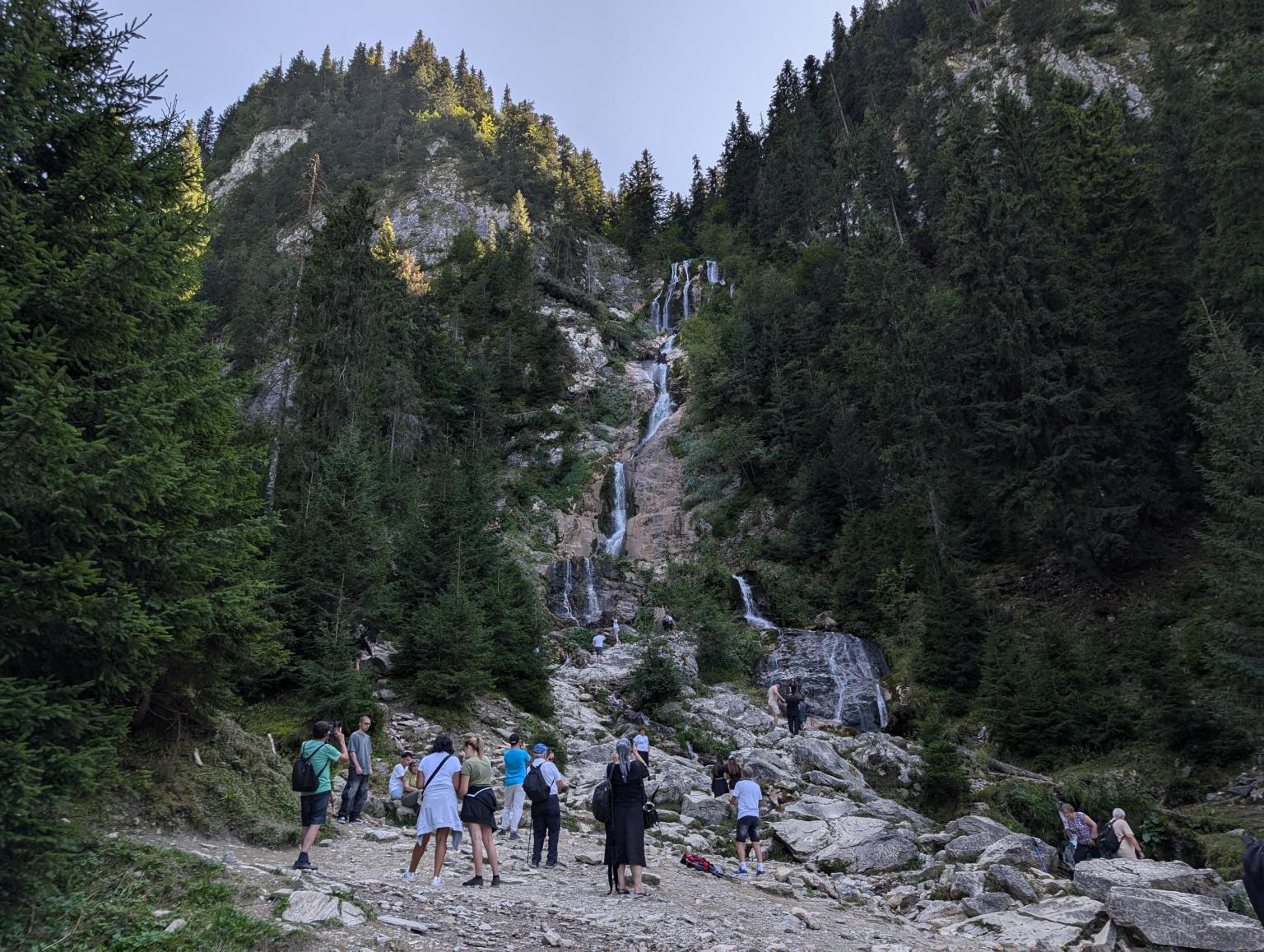
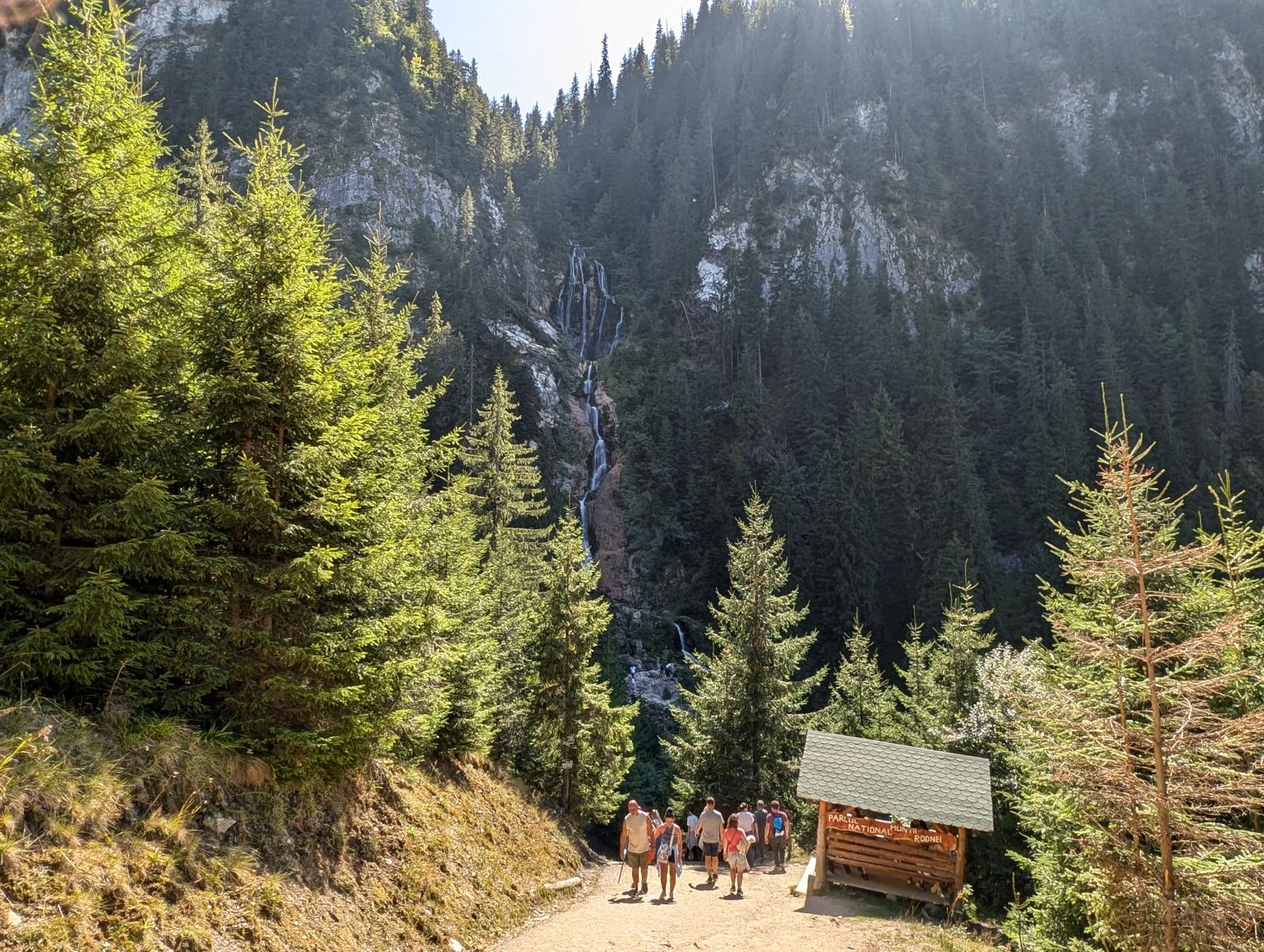
The landscape diversity of the area is influenced by the alpine relics, offering spectacular views similar to those of the Southern Carpathians. The glaciers shaped caldera and glacial valleys, harboring picturesque lakes such as Lala, Stiolul, Iezerul, Iezerele Buhăiescului (4 lakes), Iezerul Pietrosului, Zănoaga Mare and Mică. Karst forms, with interesting phenomena, and a rich endemic flora complete the tourist attractions, along with the cascading waterfalls of the streams and the centuries-old forests of spruce and beech. The varied fauna, including rare species and Carpathian endemics, contribute to the massif's attractive and economic value.
The Rodna Mountains were considered the cradle of the black goat, with trophies of exceptional quality that were awarded at international exhibitions. However, after 1926, the black goat disappeared from the massif due to poaching.
In 1964, the repopulation action started with black goats brought from Retezat, Bucegi and Piatra Craiului, which was successfully completed. Currently, the Pietrosul Mare reserve is home to approximately 115 black goats.
Source: Maramureș, Oaș, Satu Mare (Ministry of Tourism, 1980)