The tradition of celebrating this institution originated in Bucharest, on November 22, 1867, when the second normal school in the Romanian Principalities opened its doors. This year was a turning point for education and the education system of that period, reflecting the long-standing efforts of the pașoptist generation to improve the cultural level of the Romanian people.
In those days, there was an acute need for well-trained teachers for the rural environment, trained in an institution with a solid pedagogical organization. The normal school in Iași could no longer satisfy the growing demand for teaching staff. In this context, Dimitrie Gusti, the Minister of Public Instruction and Religious Affairs, presented a report to King Carol I in which he emphasized that one cannot talk about good schools in villages without capable teachers. By a decree of October 20, 1867, Carol I approved the formation of a commission to organize a special school for the training of village teachers in Bucharest. The commission included personalities such as Carol Davila, Constantin Esarcu, V.A. Urechia, Gr. Ștefănescu and August Treboniu Laurian, under the coordination of Dimitrie Gusti.
The ruler's first visit to the school took place on November 30, a date that was later associated with Saint Andrew, symbolically becoming the school's birthday. For 29 years, until the construction of its own headquarters, the courses were held in rented premises in Bucharest. Initially, the institution was called the Pedagogical Institute of Bucharest and did not benefit from its own budget.
The first director of the school, between 1868 and 1881, was George Radu Melidon, a fervent supporter of education in rural areas and a dedicated organizer. It aimed to transform the school in Bucharest into a model for other similar educational institutions in the country. In 1870, the school had its first graduating class, consisting of 40 students who followed three years of studies. On the occasion of the graduation ceremony, the awards were handed out by Lady Elisabeta, the ruler's wife.
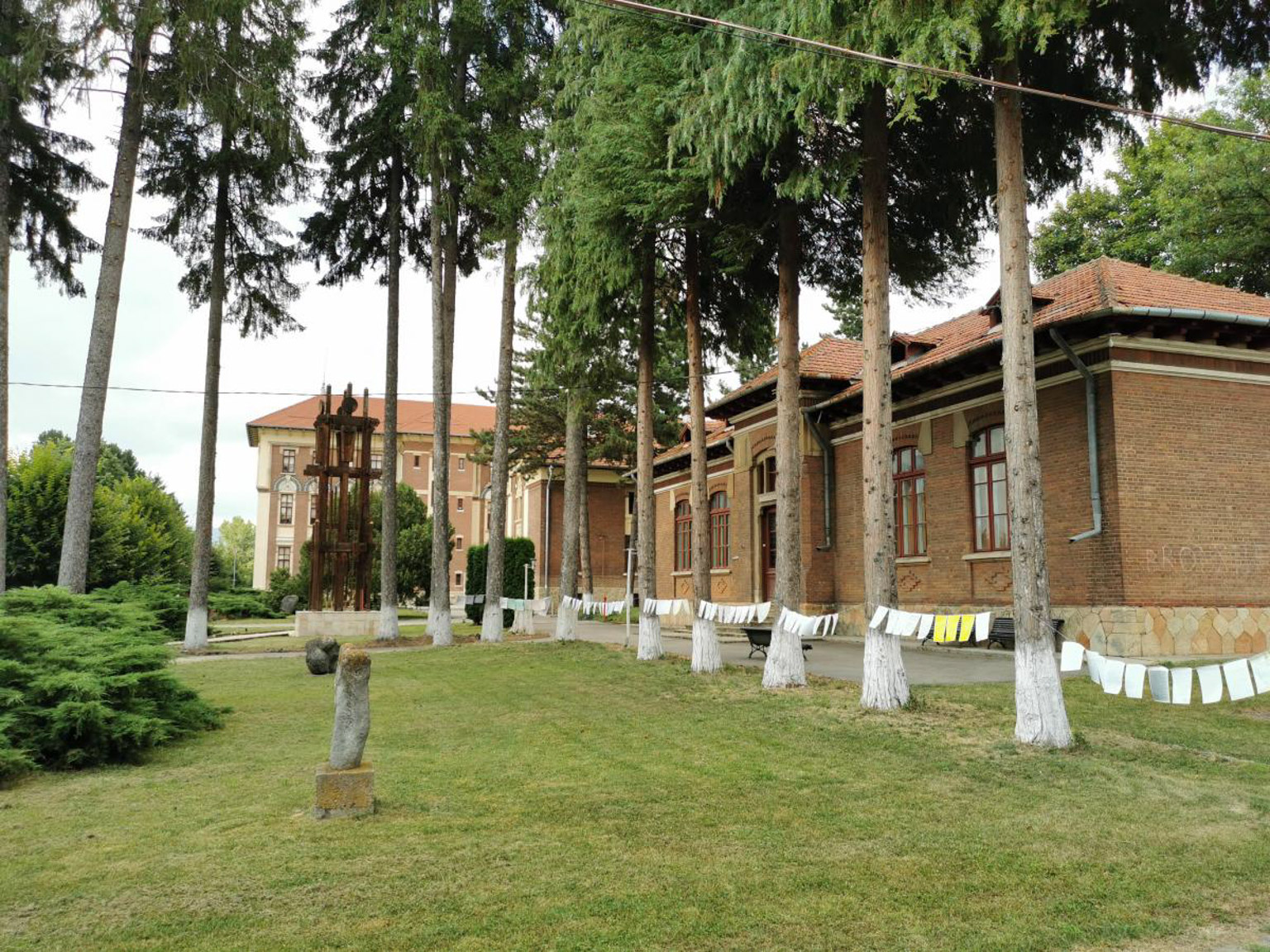
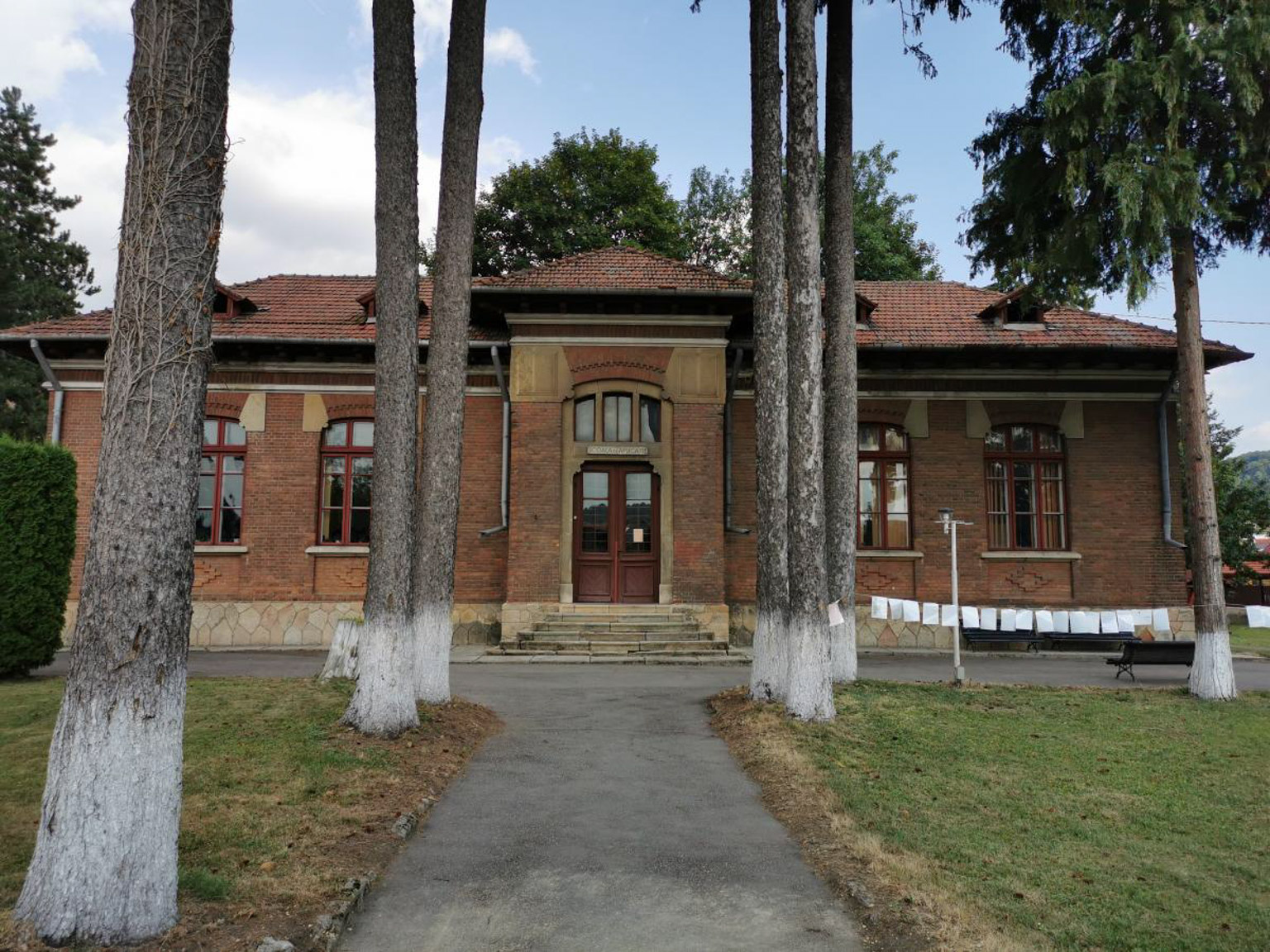
At the initiative of King Carol I, in 1887 the process of moving the "Carol I" Normal School from Bucharest to Câmpulung began. The land for the new headquarters was chosen by Dimitrie Sturza and Spiru Haret, near the Flâmânda Church, in an area where there had previously been a free school for students. Negotiations for the acquisition of the 10 hectares took place between the Minister of Public Instruction, Dimitrie A. Sturza, and Mayor Istrate Rizeanu, on behalf of the Communal Council.
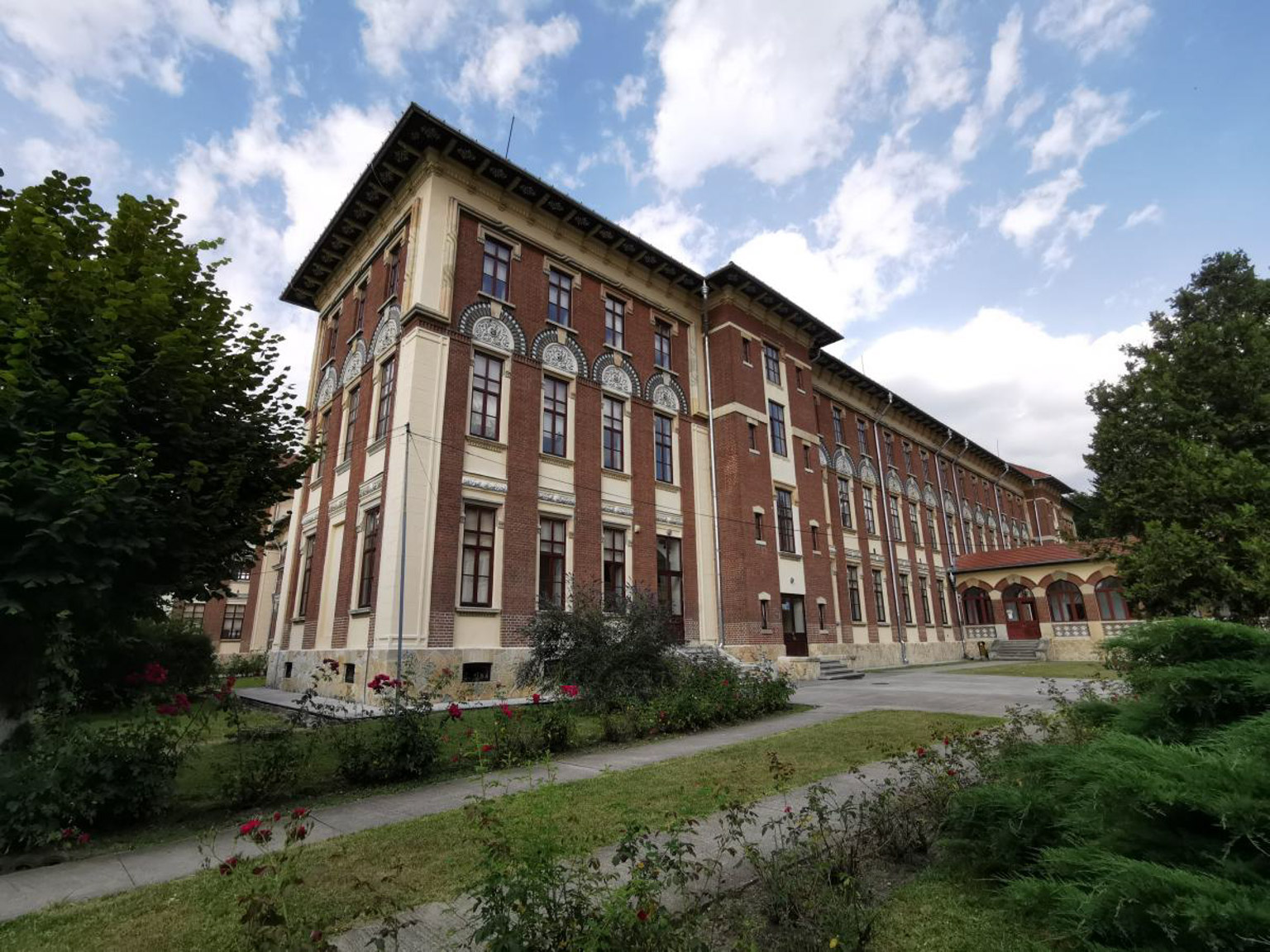
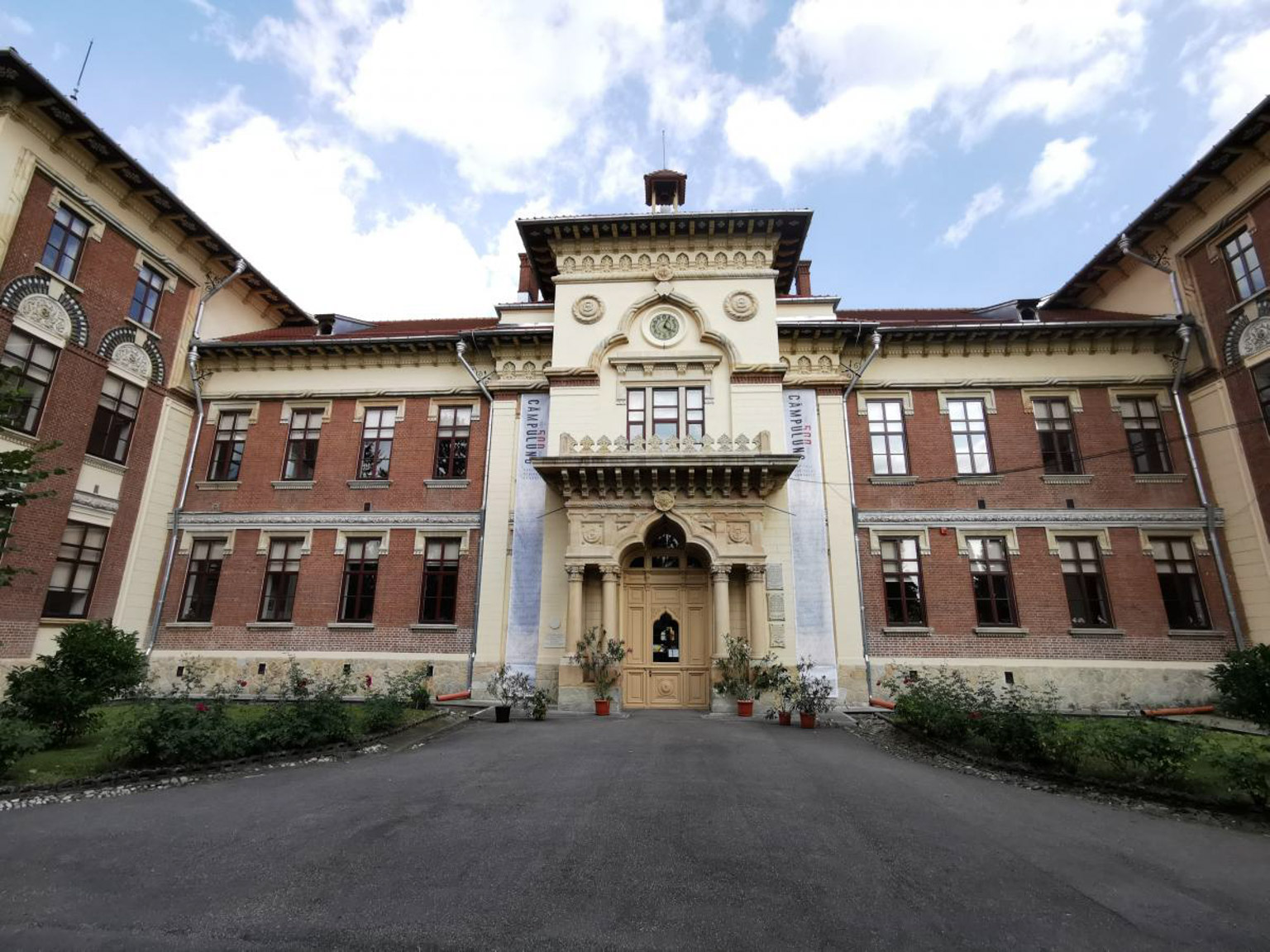
The people of the city and Muscel County were delighted with the decision and sent a telegram of thanks to Nicolae Kretzulescu, the president of the Senate, who was born in Leordeni. The telegram was read at the Senate meeting on January 11, 1890. The plan of the new building was made by the architect Socolescu, and the construction was supervised by the engineer Giovanni Batista Dreina. The cornerstone was laid on October 26, 1892, in the presence of important officials, such as Minister Tache Ionescu, Prefect Alexandru Rîmniceanu, Mayor Istrate Rizeanu and others.
The new school included 113 rooms and an impressive amphitheater, with a study area of 8,000 square meters. The building cost 12,000 gold coins, funds provided by Carol I since 1867 for the construction of a headquarters for the Pedagogical Institute intended for the training of teachers for the villages. The inauguration took place in 1896.
Constantin Rădulescu-Codin, originally from the village of Zgripcești, was among the first graduates. He became a teacher, school inspector and an important collector of folklore. Among the scholarship holders admitted in 1896 is Ion Mihalache, born in the village of Goleștii Badii, who graduated as head of the class in 1901. Currently, his bust is in the school museum, being a donation of the PNȚ-CD Argeș. After the education reform of 1948, the school was renamed the Câmpulung-Muscel Pedagogical High School, and in that context some valuable objects were lost, including the painting "Ascension of the Madonna" (later recovered) and the bust of King Carol I.
Ion C. Massim was the first teacher proposed by D. Gusti to teach at the Bucharest Normal School and also held the position of interim director. He was trained in the Transylvanian Enlightenment spirit and was part of the category of Transylvanian scholars who contributed to the national reawakening. As a teacher of Romanian, he published important works, including "The New Romanian Alphabet" and, together with August Treboniu Laurian, the Dictionary of the Romanian Language. The school library bears his name in gratitude.
Ion Ionescu de la Brad, a well-known economist and agronomist, studied in France, including at the Sorbonne. His experience was capitalized on in the lessons taught at the normal school, being synthesized in the work "Elementary Lessons in Agriculture". He promoted the introduction of modern technology in agriculture and established a school with a model farm in Brad.
Ion Mihalache, a scholarship holder since 1896 and class president in 1901, was Minister of the Interior and a leader of teachers, both locally and nationally, leading the Teachers' Association of Romania.
Constantin Esarcu, a Romanian naturalist and politician, Minister of Foreign Affairs in 1891, was the founder of the Romanian Athenaeum and the first professor of biology at the University of Bucharest. He was part of the teaching staff of the Bucharest Normal School and was elected a corresponding member of the Romanian Academy.
Petre S. Aurelian, Prime Minister and Liberal leader, distinguished himself as an agronomist and economist, supporting protectionist ideas. N. Iorga described him as one of the first Romanians with solid knowledge in agriculture.
The Department of Pedagogy was headed by prestigious names, including Petre Dulfu, known for "The Exploits of Păcală", but also as a renowned pedagogue.
Ilarion Velculescu was the school's director from 1898 to 1921, with a short interruption. He also led the institution during World War I, when the building was transformed into a military hospital.
Ion Nanu-Muscel, a teacher at the Câmpulung school, later became a professor at the Faculty of Medicine in Bucharest and a member of the Romanian Academy, conducting research in the field of contagious diseases.
Constantin Rădulescu-Codin, already mentioned as a graduate, also established himself as a folklorist, being compared to Simion Florea Marian and I. Pop Reteganul. He fought in the War of Reunification and was decorated with the order "Mihai Viteazul".
I.C. Petrescu, a teacher of pedagogy and an important representative of Romanian education, held positions in the Ministry of Public Instruction and contributed to the reform of the educational system. The National Pedagogical Library bears his name. Among the former students of the school who later became teachers here are Ilie Patraulea and Ilie Stănculescu, the latter being the author of a landmark work in the field: “Child Psychology and Pedagogical Psychology”.
Prof. Dr. Ion Tudosescu, former dean of the Faculty of Philosophy in Bucharest, made a remarkable contribution to Romanian philosophy, publishing numerous treatises, including his ontology trilogy.
Prof. Dr. Nicolae Oprescu, head of the class of 1944, distinguished himself through his research in the field of pedagogy, including his doctoral thesis on mathematical education and through recognized specialized works.
Prof. Dr. Ioan Neacșu, professor at the Faculty of Psychology in Bucharest, published numerous essential pedagogical works, including “Methods and Techniques of Effective Learning” and “Pedagogical Lectures”.
Sursa: www.carol.ro