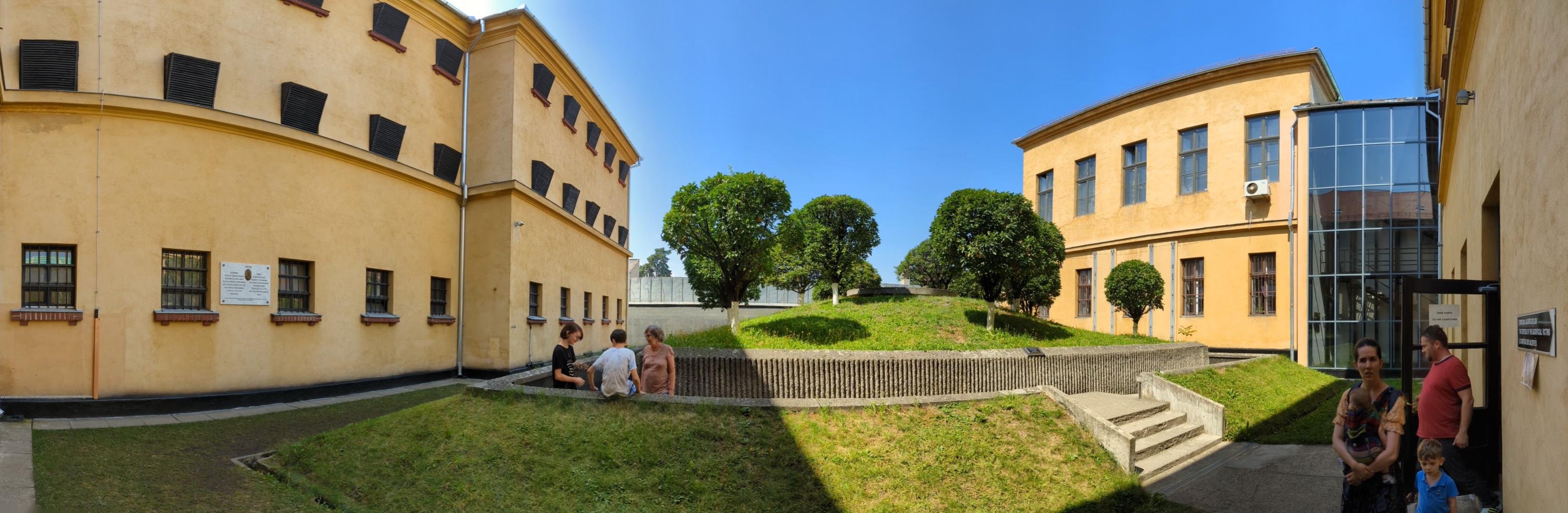
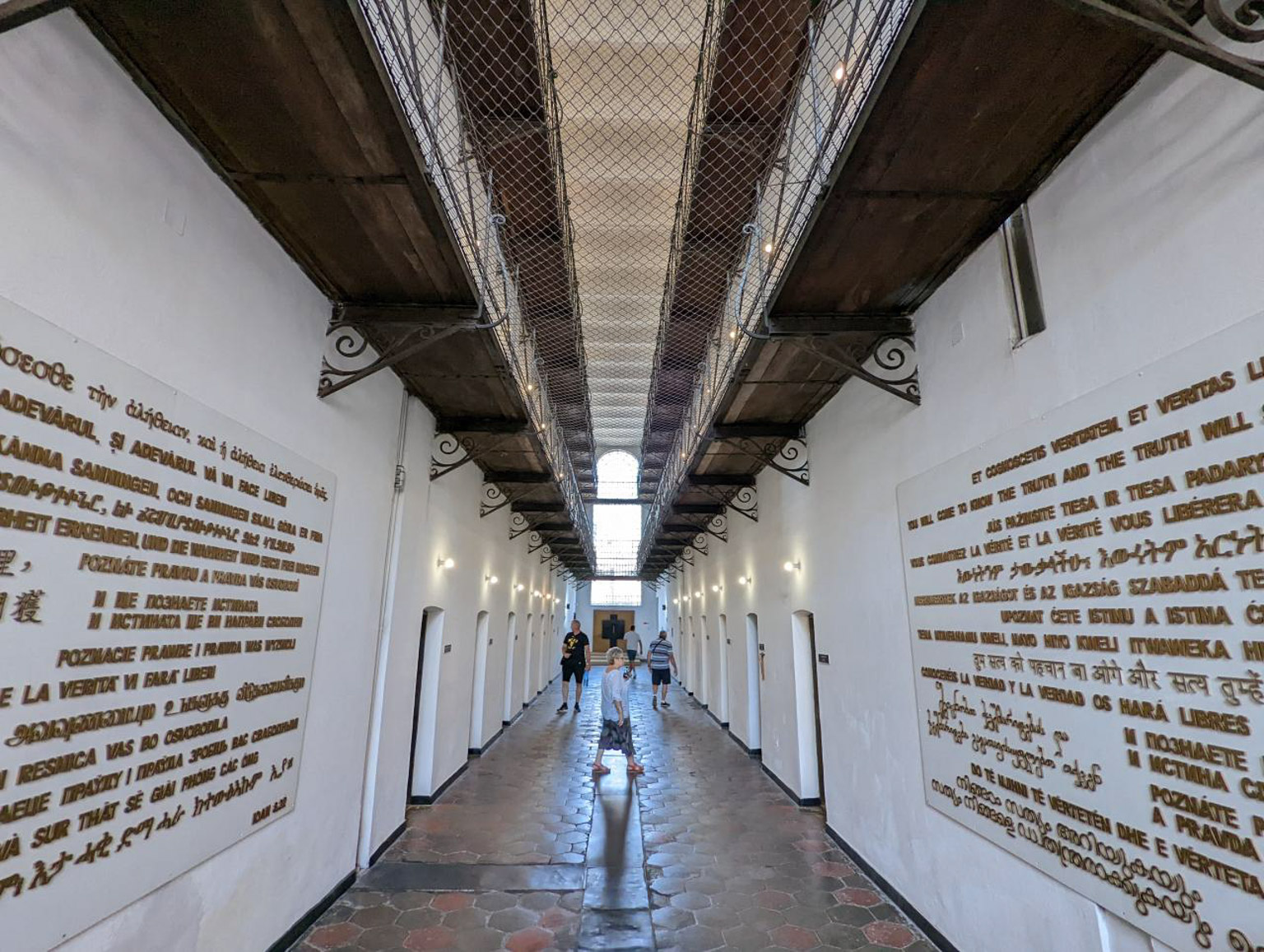
Sighet Prison, built in 1897 during the Austro-Hungarian administration, was mainly used as a communal prison, but during the two world wars, it also housed political prisoners, such as Polish revolutionaries, priests and deserters from the Hungarian army. After 1918, it continued to function as a communal prison. After 1945, it was used for the repatriation of former prisoners and deportees from the Soviet Union, and in the years 1948-1950 it housed pupils, students and peasants involved in the Maramureș resistance.
Between May 1950 and July 1955, Sighet prison became a maximum security penitentiary, where numerous dignitaries from Romania were brought, some of them sentenced to heavy punishments. The building was considered a "special work unit", with strict security, because it was a short distance from the border with the Soviet Union.
Detainees were kept in inhumane conditions, with insufficient food and prevented from looking outside. Humiliation and abuse were part of the detention regime. In 1955, some of the political prisoners were released from Romanian prisons, including those from Sighet, in the context of the accession of communist Romania to the UN according to the Geneva Convention.
After this, Sighet Prison returned to its status as a common law prison, but in 1977 it was closed and used as a factory and warehouse, eventually becoming an abandoned ruin. Only in 1993, Ana Blandiana and Romulus Rusan initiated the project to transform the building into the world's first memorial dedicated to the victims of communism.
Sursa: www.memorialsighet.ro