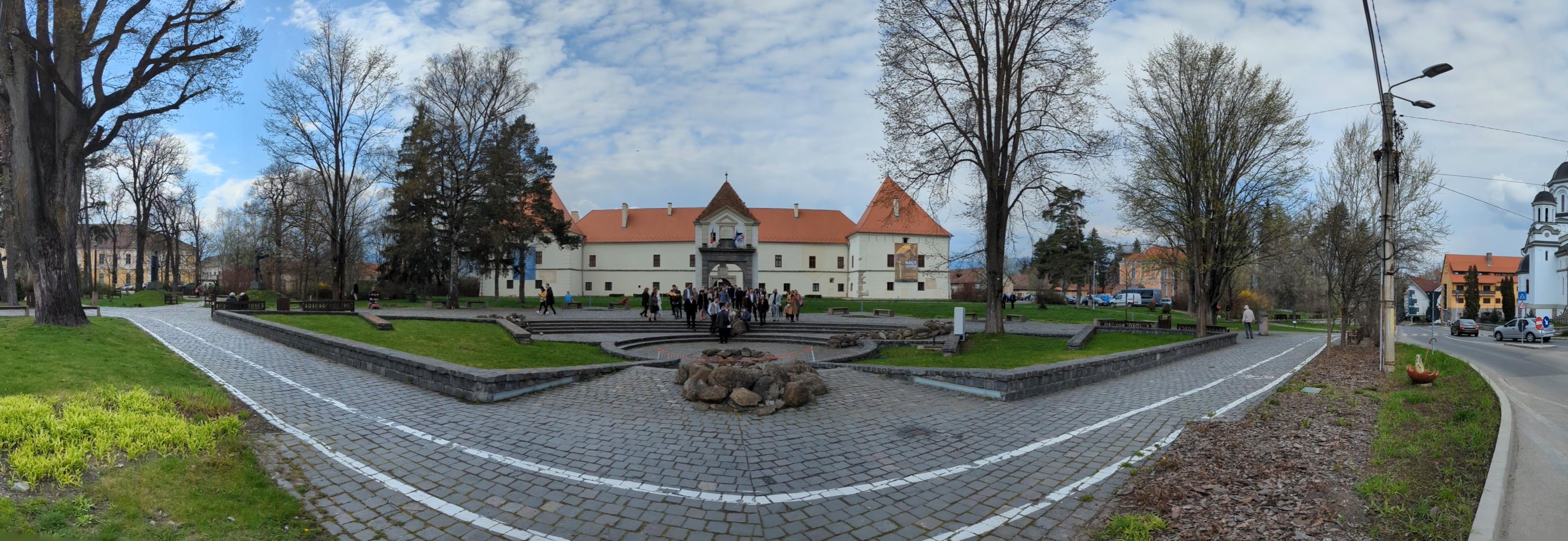
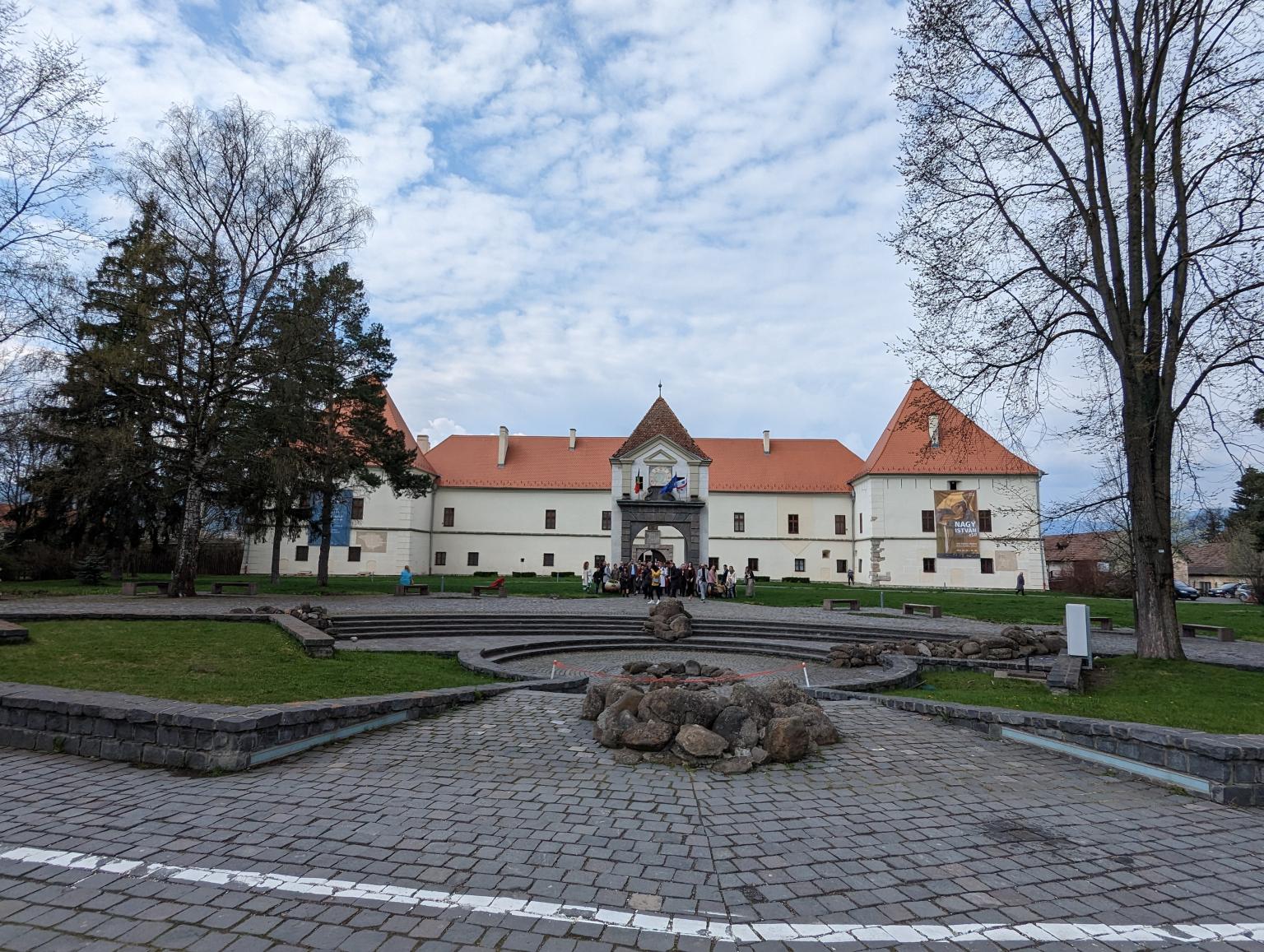
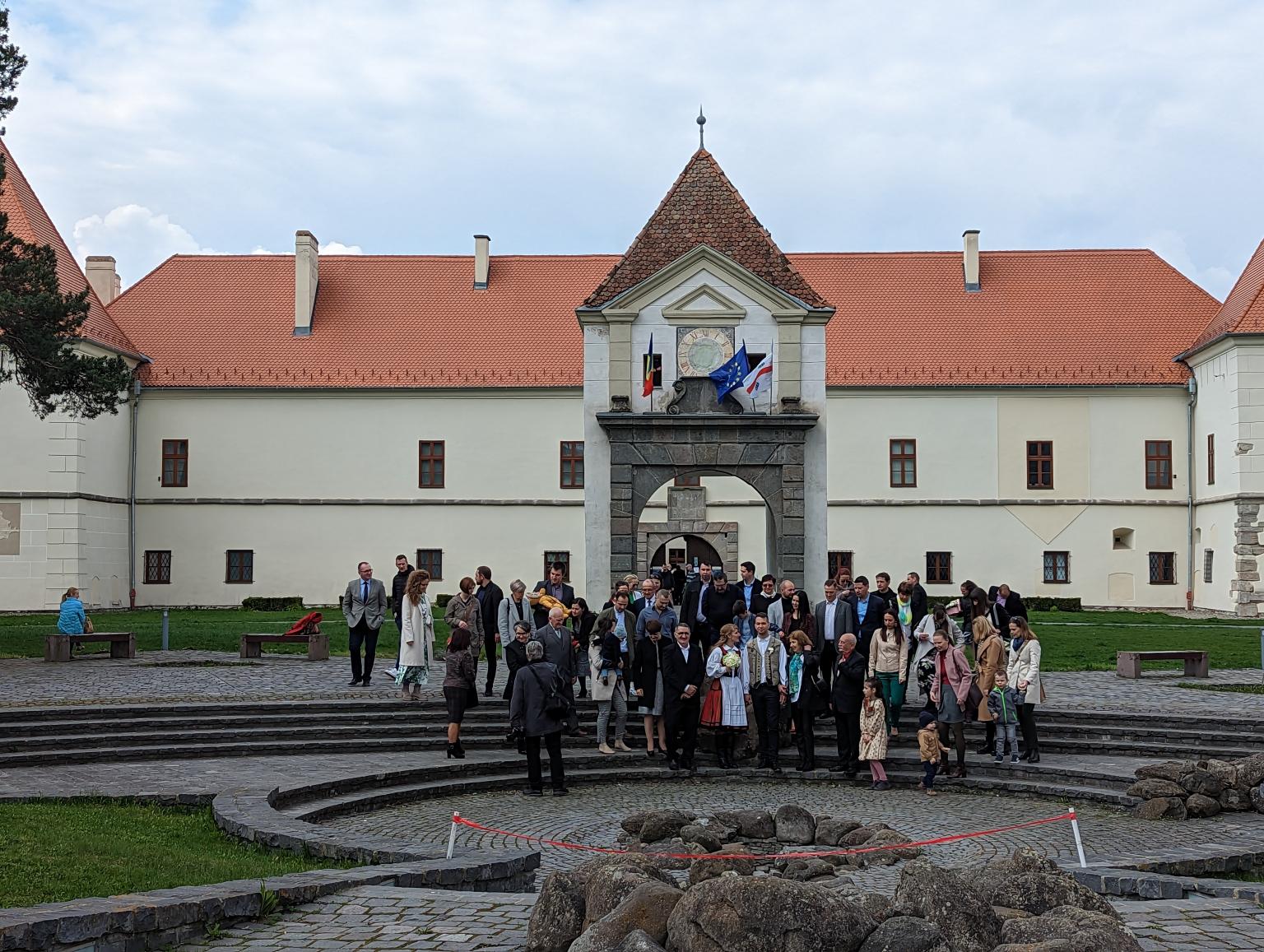
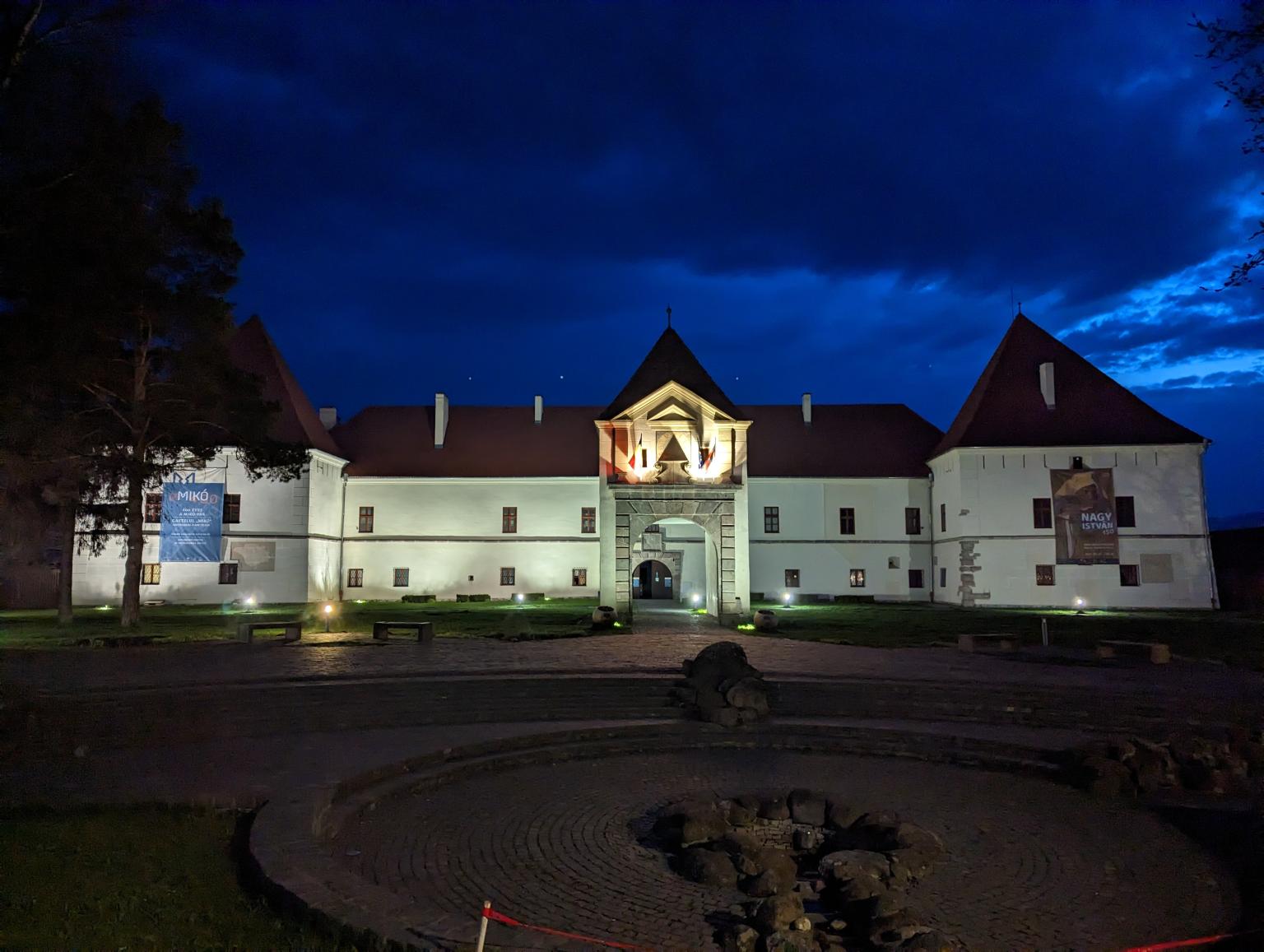
The Mikó fortress-castle, also known as the "Citadel", is the oldest and most important historical monument in Miercurea-Ciuc, being named after its builder, Hídvégi Mikó Ferenc (1585-1635).
The construction of the fortress began in the spring of 1623, ten years after Mikó Ferenc became supreme captain of the Szekler seats of Ciuc, Gheorgheni and Casin. Mikó Ferenc was a prominent personality of Transylvanian political life, being also an adviser to Prince Bethlen Gábor, diplomat and chronicler.
The castle with a quadrangular plan and dimensions of 75x70 m began to be built on April 26, 1623 and was probably finished in the 1630s. Its style is similar to that of the castles in Iernuţ, Vinţu de Jos and Lăzarea.
The first documentary attestation of the fortress dates from 1631. After the death of the heirs of Mikó Ferenc, the fortress was owned by Damokos Tamás, the supreme jude of the seat of Ciuc. On October 21, 1661, Turkish-Tatar troops invaded Ciucul, occupied and burned the fortress. The building was rebuilt between 1714-1716 under the leadership of the Imperial General Stephan Steinville.
In 1735, the Austrian colonel Johann Conrad Weiss made the plan of the fortress, the oldest known, which represents an important document about the history and construction stages of the fortress. The Austrians designed a defense system with four Italian bastions around the fortress, traces of which are visible on the southern side.
A gunpowder warehouse was built on the south-western side, and the southern bastion was converted into a chapel with a decorated ceiling in the late Baroque style. The ground floor rooms have barrel-vaulted ceilings with tall, narrow crenellations. The castle thus fortified had an important strategic role on the eastern border of the Habsburg Empire and was used by military troops until the middle of the 20th century.
In 1970, after a general restoration, the castle became the seat of the Szekler Museum of Ciuc.
Sursa: visitharghita.ro