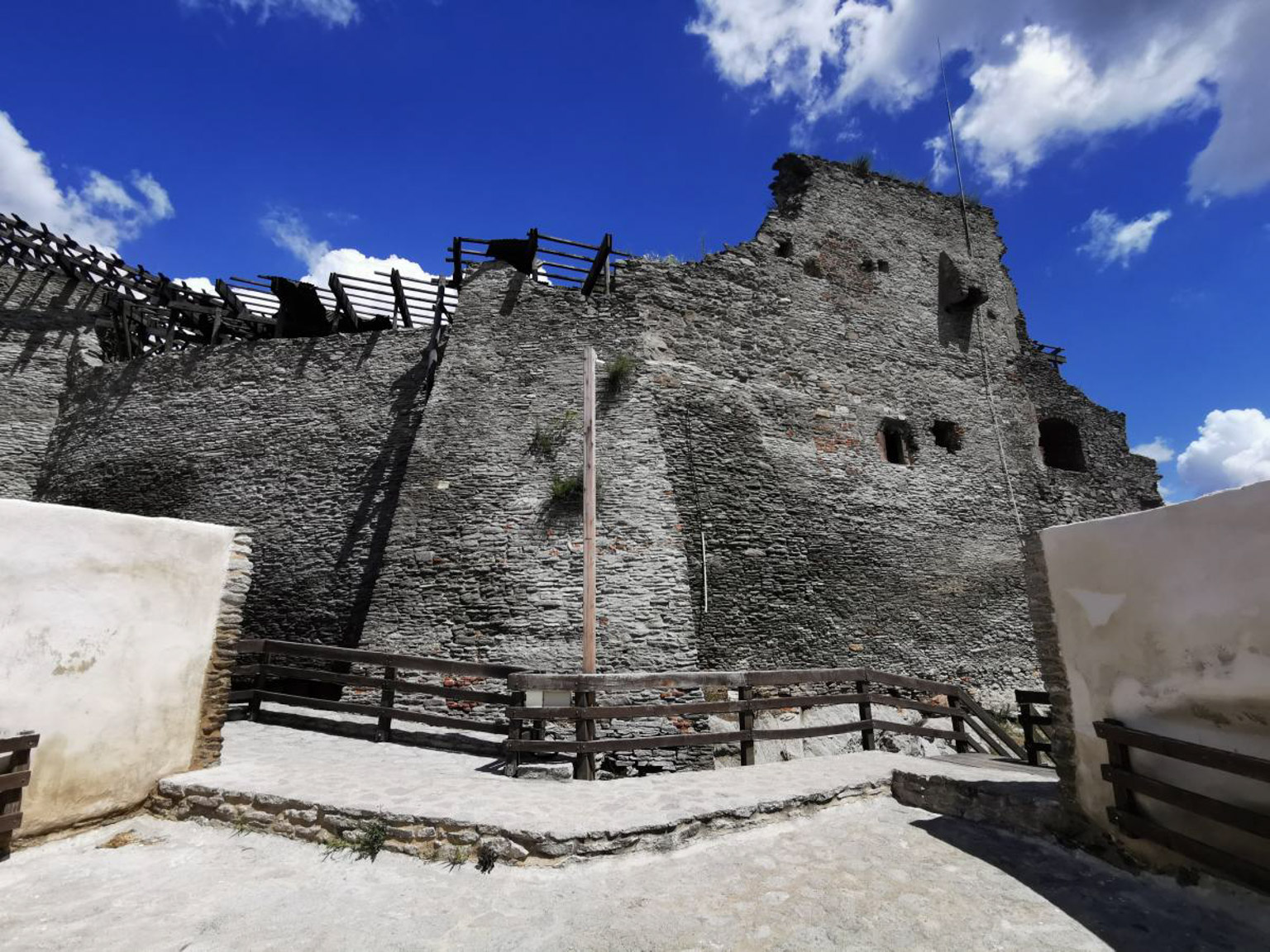
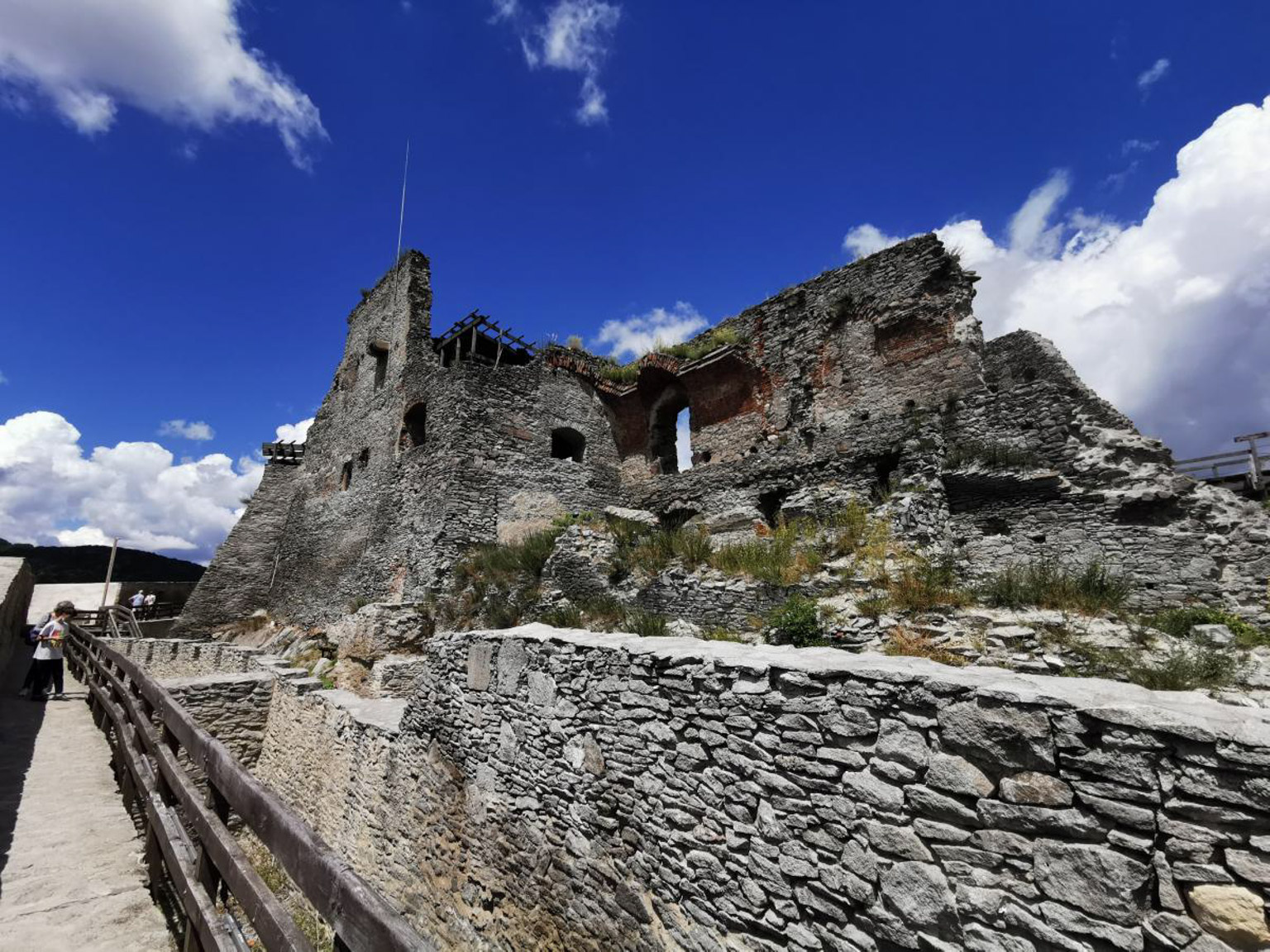
Devei Fortress is one of the most important medieval fortifications in Transylvania and a major tourist attraction in Hunedoara County. Strategically positioned on the Cetății Hill, it had a defensive role on the Mureş Valley, on the border between Transylvania and Banat, on the route connecting Romania with central and western Europe.
Built in the 13th century, the fortress has a spiral architecture, typical of mountain fortresses, but traces of habitation on this hill date back to the Neolithic or Bronze Age. The fortification was later strengthened by the Dacians and the Romans, due to its strategic location on the Salt Road. The fortress offered a wide panorama over the Mureșului Valley and the Streiului Valley, being considered almost invincible in ancient times.
After the invasion of migratory tribes, the fortress is documented in 1269, when King Stefan, son of Bela IV, mentions it in a document. In 1444, Iancu de Hunedoara received possession of the fortress, along with its riches, including villages and gold mines.
In the 17th century, Prince Gabriel Bethlen added a prison bastion and a Renaissance palace, the Magna Curia Palace, which today houses the Museum of Dacian and Roman Civilization. Deva Citadel becomes a place of refuge for Hungarian nobles during the uprising of 1784, when a confrontation takes place between the imperial garrison and the rebels.
In 1800, the fortress loses its military purpose and its structure is partially dismantled. Emperor Francis I, impressed by the beauty of the place in 1817, ordered the restoration of the fortress, the work being completed in 1830. However, an explosion in 1849 destroyed a large part of the fortress. Today, the fortress has been restored with European funds.
Over the centuries, the fortress underwent multiple transformations, including the addition of enclosures, a palace, towers and casemates. In 1896 and in the 1950s, conservation and renovation works took place on the ruin, making it easier for tourists to access the fortress.
The Deva Citadel, located on a volcanic cone at an altitude of 378 meters, has a history of over 700 years and attracts thousands of tourists, who come to admire the spectacular landscape of the Mureșului Valley and the Streiului Valley.
There are two legends related to the fortress. The first, similar to the legend of Master Manole, tells of the stonemason Kelemen, who sacrificed his wife Ana to complete the construction of the fortress. The second legend tells of the ruin of the fortress inside, when the administrator, blinded by jealousy, destroyed the ammunition depot.
Today, tourists can explore the fortress, having access to an inclined elevator, unique in Romania, which facilitates their ascent. Tickets cost 20 lei for adults and 10 lei for children and pensioners, and people with disabilities have free access.
The road to the fortress also offers the option of a climb on foot, on a route through the forest, with stops to admire the scenery. Once at Gate 1, visitors can freely explore the historical monument.
Sursa: www.gohunedoara.com